
15 Real Estate Photo Editing Mistakes to Avoid
Photography
2026/05/29
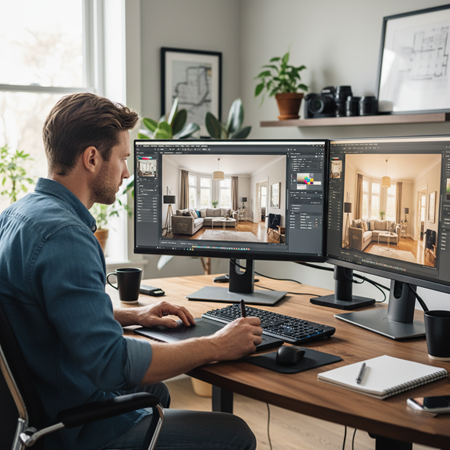
When it comes to marketing a property, photography is often the first thing buyers notice. In today's digital-first real estate market, listing photos can determine whether a potential buyer clicks to learn more or scrolls past without a second thought. While professional photography is essential, editing plays an equally important role in creating images that attract attention and accurately represent a property.
However, many agents, photographers, and even editors make common real estate photo editing mistakes that can hurt a listing's appeal rather than enhance it. Over-editing, inconsistent colors, distorted perspectives, and unrealistic enhancements can create a poor impression and even damage trust with potential buyers.
In this guide, we'll explore 15 common real estate photo editing mistakes and how to avoid them to create professional, appealing, and effective listing photos.
Why Real Estate Photo Editing Matters
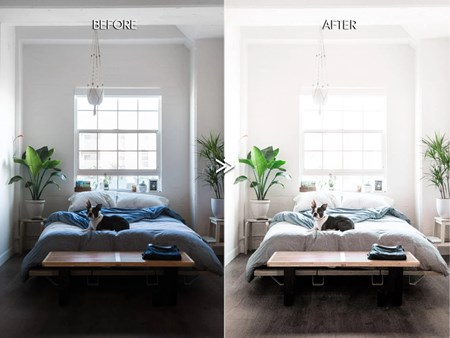
Photo editing is not about making a property look completely different from reality. Instead, it helps present a home at its best by correcting lighting issues, balancing colors, improving clarity, and removing distractions that may have resulted from camera limitations. Good editing helps buyers focus on the property's key features. Poor editing, on the other hand, can make rooms appear unnatural, misleading, or even unattractive. The goal is to enhance reality—not distort it.
1. Over-Saturating Colors
One of the most common real estate photo editing mistakes is increasing color saturation too much. While vibrant colors can make photos stand out, excessive saturation often makes grass appear neon green, skies look unrealistic, and interiors feel artificial. Natural-looking colors help buyers trust what they see. When editing, aim for realistic color enhancement rather than dramatic effects.
2. Creating Unrealistic HDR Effects
High Dynamic Range (HDR) photography can help balance shadows and highlights, but overusing HDR often creates photos with unnatural halos, exaggerated textures, and cartoon-like appearances. Effective HDR editing should be subtle. Buyers should notice the property, not the editing technique.
3. Using Excessive Brightness
Bright images generally perform better online, but pushing brightness too far can wash out important details. White walls may lose texture, windows may become blown out, and rooms can appear flat. Balanced exposure ensures every part of the image remains visible and realistic.
4. Ignoring Vertical Lines
Perspective correction is one of the most important aspects of real estate photo editing. Crooked walls and leaning door frames can make a property look distorted. Vertical lines should appear straight and natural. Correcting perspective helps rooms feel professional and properly proportioned.
5. Over-Sharpening Images
Sharpening can improve image clarity, but excessive sharpening creates harsh edges and visible noise. Many editors mistakenly assume sharper always means better. In reality, overly sharp images often appear unnatural and distracting.
6. Removing Too Much From Photos
Virtual decluttering is useful, but completely removing important elements can create misleading photos. Buyers expect listing images to accurately represent the property. Editing should remove temporary distractions while maintaining an honest representation of the space.
7. Poor Sky Replacements
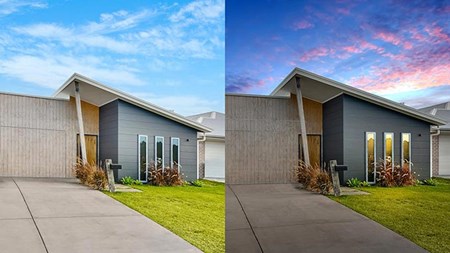
Sky replacement has become a popular editing technique, especially for exterior photos. However, using unrealistic skies that don't match the lighting conditions of the property can look obviously fake. The sky should complement the image naturally and maintain consistency with the overall lighting.
8. Inconsistent Color Temperature
Nothing makes a listing look unprofessional faster than inconsistent white balance. Some images may appear overly blue while others look excessively yellow. Maintaining consistent color temperature throughout a listing creates a cohesive and professional presentation.
9. Forgetting Window Pulls
Windows often present one of the biggest challenges in interior photography. Without proper editing, bright outdoor scenes can appear completely blown out. Window pull editing helps balance interior and exterior exposure, allowing buyers to see both the room and the view outside.
10. Overusing Contrast
Contrast can add depth and dimension, but excessive contrast often crushes shadow details and creates unnatural transitions. The best real estate images preserve detail throughout the entire photo while maintaining a clean and polished appearance.
11. Leaving Lens Distortion Uncorrected
Wide-angle lenses are commonly used in real estate photography, but they can introduce barrel distortion that makes rooms appear curved or stretched. Proper lens correction ensures spaces appear accurate and proportionate.
12. Creating Unrealistic Room Sizes
Some editors attempt to make rooms appear larger through aggressive perspective adjustments. While this may seem beneficial, it often leads to unrealistic expectations. Buyers who visit the property and discover it looks significantly smaller than advertised may lose trust immediately.
13. Ignoring Consistency Across the Listing
Every photo within a listing should feel like part of the same collection. Inconsistent editing styles, brightness levels, or color treatments can make the property appear disjointed. Consistency helps create a seamless visual experience that feels polished and professional.
14. Excessive Noise Reduction
Noise reduction can improve image quality, especially in darker spaces. However, applying too much can make surfaces appear overly smooth and remove important textures. Finding the right balance preserves detail while minimizing distractions.
15. Editing Without Considering Buyer Psychology
Perhaps the biggest real estate photo editing mistake is focusing solely on technical adjustments without considering how buyers view images. Effective editing guides attention toward key selling points such as spacious kitchens, natural lighting, beautiful views, and inviting living areas. Every editing decision should support the property's marketing goals.
How Professional Editing Improves Listing Performance
Professional photo editing helps listings stand out in crowded markets. High-quality images can increase online engagement, encourage more property inquiries, and create stronger first impressions.
Buyers often form opinions about a property within seconds of viewing photos online. Clean, consistent, and professionally edited images help build confidence and encourage further exploration.
How CosyFoto Helps Real Estate Professionals Avoid These Mistakes
At CosyFoto, we specialize in professional real estate photo editing designed to enhance properties while maintaining a natural and realistic appearance. Our team focuses on accurate color correction, perspective adjustments, sky replacement, virtual staging, HDR blending, and detail enhancement to ensure every listing looks its absolute best.
By outsourcing editing to experienced professionals, real estate agents and photographers can save valuable time, maintain consistency across listings, and deliver images that attract more buyers without the risk of common real estate photo editing mistakes.
Final Thoughts
Great editing should be invisible. The best real estate photos look natural, inviting, and polished without drawing attention to the editing itself. Avoiding these common real estate photo editing mistakes can help you create stronger listing presentations, build buyer trust, and improve marketing performance.
Whether you're a real estate agent, photographer, or marketing professional, investing in quality editing can make a significant difference in how your listings are perceived and how successfully they perform in today's competitive market.
 alt="">
 alt="">
 alt="">
 alt="">
 alt="">
 alt="">
 alt="">
 alt="">