
8 Real Estate Photo Trends Dominating 2026
Photography
2026/07/05
The real estate industry is evolving faster than ever, and photography continues to play a central role in how properties are marketed. With nearly every home search beginning online, listing photos have become one of the most influential factors in capturing buyer attention and driving inquiries. As technology advances and buyer expectations grow, photographers and agents must adapt to new visual trends that help properties stand out in an increasingly competitive market.
The real estate photo trends shaping 2026 are focused on creating authentic, engaging, and visually compelling experiences. While buyers still expect bright, high-quality images, they also want listings that feel realistic, informative, and immersive. Artificial intelligence, virtual technologies, and advanced editing techniques are transforming the way properties are presented, but authenticity remains just as important as innovation.
Whether you're a real estate photographer, agent, or brokerage, staying ahead of these trends can help improve listing performance and strengthen your marketing strategy. Here are the eight biggest real estate photo trends dominating 2026.
1. Natural-Looking Photo Editing Takes Priority
For years, heavily edited real estate photos were common. Oversaturated colors, dramatic HDR effects, and unrealistic lighting were often used to make listings stand out. However, today's buyers are becoming more visually aware and can quickly recognize when a photo has been overprocessed.
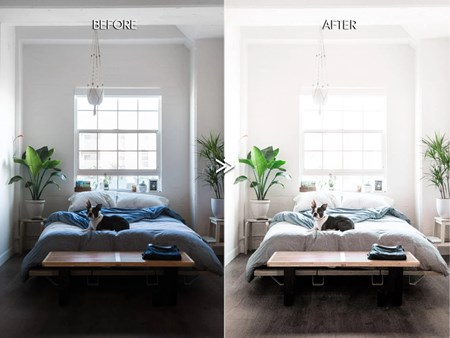
One of the biggest real estate photo trends in 2026 is a shift toward natural editing. Professional editors now focus on enhancing images without making them appear artificial. Bright interiors, balanced colors, realistic shadows, and accurate white balance help properties look polished while maintaining buyer trust.
The goal is no longer to create the "perfect" image but rather the most believable one. Buyers appreciate photos that accurately represent the home while still highlighting its best features.
2. Virtual Staging Continues to Grow
Virtual staging has become one of the most valuable tools in modern real estate marketing. Rather than leaving vacant rooms empty, agents can digitally furnish spaces to help buyers visualize how each room could function.
As software and editing techniques continue to improve, virtual staging has become significantly more realistic than it was just a few years ago. Furniture scaling, lighting, shadows, and textures now blend seamlessly with original photographs, creating highly convincing images.
In 2026, virtual staging is no longer viewed as a luxury reserved for high-end properties. It has become a practical marketing solution for homes at nearly every price point because it is faster, more affordable, and more flexible than traditional staging.
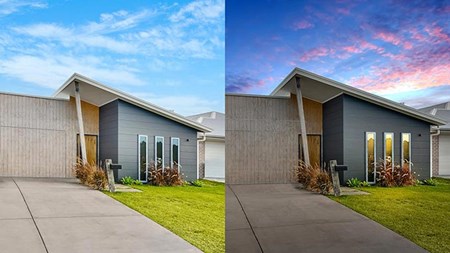
3. Day-to-Dusk Photography Remains a Favorite
One of the most visually striking real estate photo trends is the continued popularity of day-to-dusk photography.
Instead of scheduling expensive twilight shoots, photographers can capture exterior images during the day and professionally edit them into beautiful sunset scenes. Warm interior lighting, colorful skies, and enhanced outdoor illumination create emotional appeal while helping listings stand out among competing properties.
Day-to-dusk editing is especially effective for luxury homes, waterfront properties, and listings with attractive outdoor lighting. These dramatic cover photos often generate more clicks and encourage buyers to explore the rest of the listing.
4. Drone Photography Becomes Standard
Aerial photography is no longer reserved for luxury estates or large commercial properties.
In 2026, drone photography has become an expected part of many residential listings. Buyers appreciate the broader perspective that aerial images provide, especially for properties with large lots, scenic surroundings, or nearby amenities.
Drone photos help showcase property boundaries, neighborhood context, landscaping, pools, and proximity to parks, schools, or waterfronts.
As drone technology becomes more affordable and regulations continue to mature, aerial imagery is becoming a standard component of professional real estate photography packages.
5. Lifestyle-Oriented Photography Is Increasing
Another emerging trend focuses less on documenting empty rooms and more on helping buyers imagine life inside the home.
Lifestyle photography incorporates subtle elements that make spaces feel warm and inviting without appearing staged. A neatly arranged breakfast table, an outdoor patio prepared for entertaining, or a cozy reading corner can create emotional connections with potential buyers.
Rather than simply showing square footage, lifestyle photography tells a story about how the home can be lived in.
This trend works particularly well on social media, where visually engaging content often performs better than traditional listing photos.
6. AI-Assisted Editing Improves Efficiency
Artificial intelligence is changing nearly every aspect of photography, and real estate editing is no exception.
AI tools now assist with repetitive editing tasks such as sky replacement, object removal, exposure balancing, masking, and color correction. These technologies help editors work more efficiently while reducing turnaround times.
However, human expertise remains essential.
Professional editors still play a critical role in ensuring that images remain realistic, properly balanced, and compliant with industry standards. In 2026, AI serves as a productivity tool rather than a replacement for skilled photo editors.
The best editing companies combine AI-powered efficiency with experienced human review to deliver consistently high-quality results.
7. Consistent Branding Across Listings
Real estate photographers are increasingly viewing their work as part of a broader brand identity.
Rather than editing each listing differently, many photographers now develop consistent editing styles that create recognizable visual branding. Bright interiors, clean color grading, straight vertical lines, and uniform image quality help establish professionalism across every project.
This consistency benefits both photographers and real estate agents by creating a cohesive marketing presence that buyers begin to recognize over time.
As competition grows, consistent branding is becoming one of the more important real estate photo trends for photography businesses looking to differentiate themselves.
8. Faster Turnaround Times Become a Competitive Advantage
In today's fast-moving housing market, speed matters.
Buyers expect new listings to appear online quickly, and agents often work under tight deadlines. As a result, turnaround time has become almost as important as image quality.
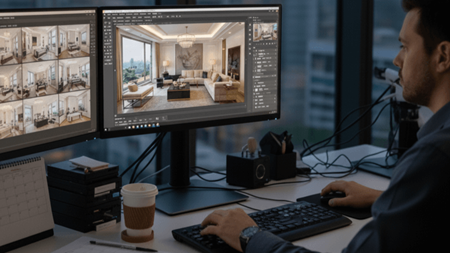
Many photographers now outsource editing to professional editing companies that can deliver completed images within 12 to 24 hours. This allows agents to list properties faster while maintaining consistent image quality.
Fast delivery also enables photographers to spend more time shooting properties and less time sitting behind a computer.
As client expectations continue to rise, rapid turnaround has become one of the defining real estate photo trends of 2026.
How Professional Photo Editing Supports These Trends
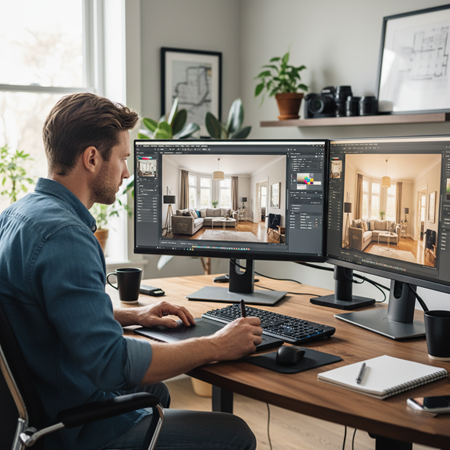
Many of these trends rely heavily on professional editing rather than photography alone. Natural color correction, virtual staging, day-to-dusk transformations, object removal, sky replacement, perspective correction, and HDR enhancement all require skilled post-production work to achieve realistic results.
Working with an experienced editing partner allows photographers to adopt these trends without significantly increasing their workload. Instead of spending hours editing each property, they can focus on capturing great images while experts handle the finishing touches. This combination of efficient workflows and high-quality editing helps businesses remain competitive as buyer expectations continue to evolve.
How CosyFoto Helps Real Estate Professionals Stay Ahead
CosyFoto provides professional real estate photo editing services designed to support the latest industry trends. From HDR enhancement and natural color correction to virtual staging, object removal, floor plans, and day-to-dusk editing, CosyFoto helps photographers and agents create listing-ready images that attract buyers and strengthen property marketing. With fast turnaround times and customizable editing styles, CosyFoto enables professionals to stay ahead of changing market expectations while maintaining consistent image quality.
Final Thoughts
The real estate photo trends shaping 2026 all share one common goal: creating listing images that are both visually compelling and trustworthy. Natural editing, virtual staging, drone photography, lifestyle imagery, AI-assisted workflows, and faster delivery are helping photographers produce higher-quality marketing materials while meeting the demands of today's digital-first buyers.
Technology will continue to evolve, but one principle remains unchanged. Buyers respond to photos that help them imagine themselves living in the home. Professional photography combined with thoughtful editing remains one of the most effective investments agents and photographers can make.
By embracing these emerging trends, real estate professionals can create stronger first impressions, improve listing performance, and stay competitive in an increasingly visual marketplace.
 alt="">
 alt="">
 alt="">
 alt="">
 alt="">
 alt="">
 alt="">
 alt="">