
Outsource Photo Editing vs In House: Which Option Wins for Growing Photography Businesses?
Photography
2026/06/10
As photography businesses grow, managing thousands of images becomes one of the biggest operational challenges. Whether you're a real estate photographer, wedding photographer, portrait studio, or e-commerce business, editing often consumes more time than the photoshoot itself.
This is why many photography professionals eventually face the same question: outsource photo editing vs in house—which option is better?
The answer depends on your goals, budget, workload, and growth plans. While some businesses prefer maintaining complete control through an internal editing team, others choose outsourcing to reduce costs and improve efficiency.
In this guide, we'll compare the pros, cons, and long-term business impact of both approaches to help you decide which solution best fits your workflow.
Why Photo Editing Matters More Than Ever
Photography clients expect polished, professional images delivered quickly. Whether they are real estate agents needing listing photos, online retailers requiring product images, or couples waiting for wedding galleries, turnaround time and image quality directly affect customer satisfaction.
As demand for content increases, editing can quickly become a bottleneck.
Many photographers discover that spending hours behind a computer limits their ability to book new clients, market their services, and focus on creative work. As a result, choosing between an in-house editing process and outsourcing becomes an important business decision rather than simply an operational one.
When evaluating outsource photo editing vs in house, it's important to consider not only costs but also scalability, consistency, and long-term growth potential.
What Is In-House Photo Editing?
In-house photo editing means all editing work is completed internally by the photographer or an employed editing team.
For solo photographers, this often means personally handling every image after each shoot. Larger businesses may hire dedicated editors who work within the company and manage post-production full-time.
This approach gives businesses direct control over editing standards, communication, and workflow management. Every stage of the editing process remains under the company's supervision.
Many photographers initially prefer in-house editing because it allows them to maintain their personal style and ensure every image meets their expectations. However, as workloads increase, maintaining an entirely internal editing operation can become more challenging.
Advantages of In-House Photo Editing
One of the biggest benefits of in-house editing is control. Photographers can review every image personally, make adjustments immediately, and ensure edits align perfectly with their brand style.
Communication is also simpler because editors work within the same organization. Feedback can be implemented quickly without needing external revisions or project coordination.
Another advantage is familiarity with clients. Internal editors often develop a deep understanding of recurring customer preferences, allowing them to deliver highly customized results.
For photographers with highly specialized editing techniques or unique artistic styles, keeping editing in-house can help maintain consistency across projects.
Additionally, some businesses prefer keeping all files and workflows internally for privacy and security reasons.
Challenges of In-House Photo Editing
Although in-house editing offers control, it often comes with significant costs.
Hiring editors requires salaries, benefits, training, software licenses, hardware upgrades, and ongoing management. These expenses can add up quickly, especially for growing businesses.
Workload fluctuations also create challenges. During busy seasons, internal teams may struggle to keep up with demand. During slower periods, businesses may still need to cover payroll expenses even when editing volume decreases.
For photographers handling editing themselves, time becomes the biggest cost. Every hour spent editing is an hour that cannot be spent shooting, networking, marketing, or growing the business.
As businesses scale, these limitations often become more noticeable.
What Is Outsourced Photo Editing?
Outsourced photo editing involves hiring a specialized editing company or external team to handle post-production tasks. The photographer captures the images and uploads them to the editing partner. The editing team then completes the requested adjustments and returns the finished files.
Many professional editing providers offer services such as:
- Color correction
- Exposure adjustments
- HDR blending
- Real estate photo editing
- Virtual staging
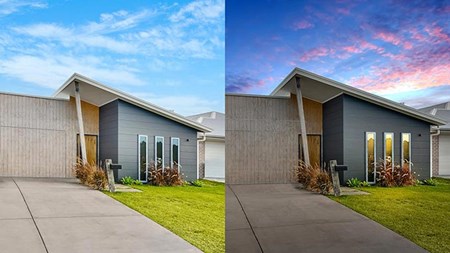
- Day-to-dusk conversions
- Product retouching
- Portrait retouching
- Background removal
The primary goal of outsourcing is to allow photographers to focus on photography while specialists handle the editing workload. This is why the debate around outsource photo editing vs in house has become increasingly relevant for growing businesses.
Advantages of Outsourcing Photo Editing
One of the most significant benefits of outsourcing is scalability.
An outsourced editing team can typically process large volumes of images without requiring the photographer to hire additional staff. This flexibility allows businesses to handle seasonal demand spikes without increasing fixed overhead costs.
Cost efficiency is another major advantage. Instead of paying full-time salaries and investing in additional equipment, businesses only pay for the editing services they actually use. Outsourcing also improves turnaround times. Established editing companies often operate around the clock with larger teams, enabling faster delivery compared to smaller internal operations.
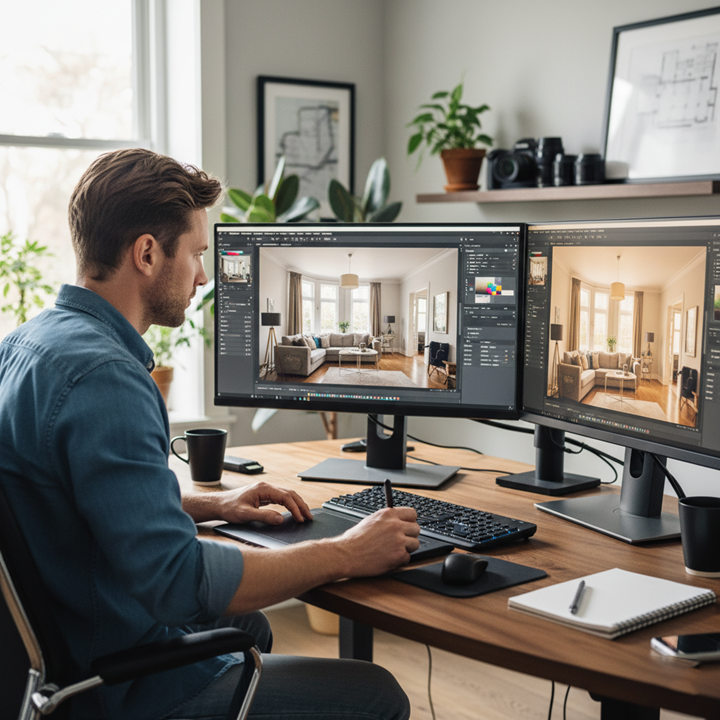
Many photographers discover that outsourcing helps them reclaim valuable time. Instead of spending evenings editing hundreds of images, they can focus on client relationships, marketing, sales, and additional bookings. Over time, this shift can significantly increase business growth opportunities.
Potential Drawbacks of Outsourcing
While outsourcing offers many benefits, it is not without challenges. The most common concern is maintaining consistency. Every photographer has unique preferences, and it may take time for an external editing team to fully understand a specific editing style.
Communication can also require additional effort, especially during the onboarding process. Clear editing guidelines and examples are essential to ensure consistent results. Some photographers may initially feel uncomfortable giving up direct control over the editing process. However, experienced editing partners typically develop customized workflows that closely match client expectations.
Choosing the right provider is critical. A low-cost editing service that lacks quality control can create more work rather than reducing it.
Comparing Costs: Outsource Photo Editing vs In House
Cost is often one of the most important factors when evaluating outsource photo editing vs in house.
An in-house team requires ongoing investments in:
- Employee salaries
- Training
- Software subscriptions
- Workstations and equipment
- Employee benefits
- Management resources
These expenses remain relatively fixed regardless of workload.
Outsourcing, on the other hand, operates on a variable-cost model. Businesses only pay for completed editing projects, making costs easier to scale based on demand.
For small and medium-sized photography businesses, outsourcing often provides a lower overall cost structure while still maintaining professional-quality results.
However, very large organizations with consistently high editing volumes may find that building an internal team becomes more cost-effective over time.
Comparing Efficiency and Turnaround Time
Speed is another important consideration. In-house teams can sometimes provide faster revisions because communication occurs internally. However, turnaround speed is limited by available staff and workload capacity.
Outsourced editing companies often maintain larger teams and can process projects continuously, including overnight in some cases. This allows photographers to deliver images more quickly without increasing their own workload. For businesses serving industries with fast deadlines, such as real estate photography, outsourcing can significantly improve turnaround performance.
Which Option Is Better for Different Types of Businesses?
The best solution depends largely on the size and goals of the business. Solo photographers often benefit most from outsourcing because it frees up time for client acquisition and shooting while avoiding the costs associated with hiring employees.
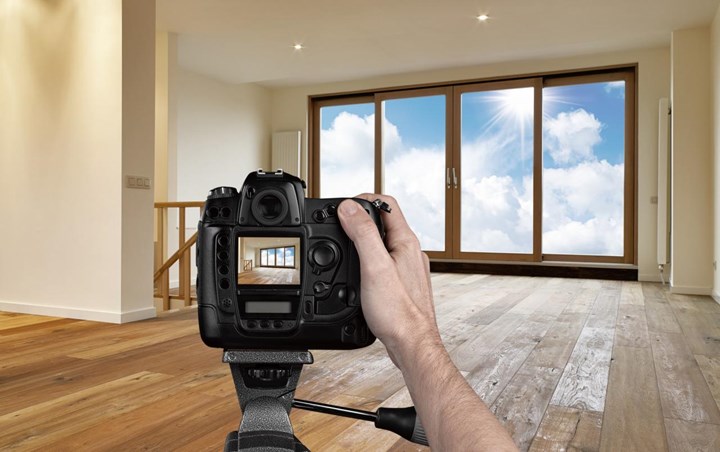
Small studios may also find outsourcing attractive because it provides access to professional editing expertise without the overhead of maintaining an internal team. Larger companies with highly specialized workflows or extremely high editing volumes may choose a hybrid model that combines internal oversight with outsourced production support.
In many cases, the question is no longer simply outsource photo editing vs in house, but rather how to balance both approaches strategically.
The Rise of Hybrid Editing Models
Many successful photography businesses now use a hybrid approach. Under this model, photographers or internal creative directors establish editing standards and review quality, while outsourced teams handle the bulk of production work.
This allows businesses to maintain creative control while benefiting from the scalability and efficiency of outsourcing. Hybrid models are especially common among real estate photography companies, e-commerce brands, and high-volume studios.
How CosyFoto Supports Growing Photography Businesses
CosyFoto helps photographers, agencies, and real estate professionals streamline their post-production workflows through professional photo editing services. Whether businesses need HDR editing, virtual staging, object removal, color correction, or day-to-dusk conversions, CosyFoto provides scalable editing support that helps teams reduce workload while maintaining consistent image quality. Fast turnaround times and customized editing styles make it easier for growing businesses to expand without increasing internal overhead.
Final Verdict: Outsource Photo Editing vs In House
When comparing outsource photo editing vs in house, there is no universal winner. The right choice depends on business size, editing volume, budget, and long-term objectives.
In-house editing offers greater control, direct communication, and complete ownership of the editing process. However, it also requires substantial investments in time, staffing, and resources.
Outsourcing provides flexibility, scalability, lower overhead costs, and faster production capacity. For many growing photography businesses, these advantages outweigh the challenges of working with an external team.
Ultimately, the best approach is the one that allows photographers to spend less time behind a computer and more time growing their business, serving clients, and focusing on their creative strengths.
 alt="">
 alt="">
 alt="">
 alt="">
 alt="">
 alt="">
 alt="">