
How to Handle Peak Season Without Hiring More Editors
Photography
2026/10/05
Peak season should be an opportunity for your real estate media agency to grow. More bookings mean more properties to photograph, stronger client relationships, and additional revenue. However, when every shoot adds another folder to the editing queue, that opportunity can quickly become a delivery problem.
Hiring more editors may seem like the obvious solution, but recruiting, training, and maintaining additional staff takes time and money. Temporary demand does not always justify permanent payroll, especially when your existing team already understands your clients and editing style.
To handle peak season without hiring more editors, start by improving how work enters, moves through, and leaves your production process. Combine realistic capacity planning, clear editing standards, and tested outsourcing support to manage higher volumes while protecting quality.
Forecast Your Editing Workload Before Bookings Surge
A busy calendar tells you how many shoots are scheduled, but it does not show the full editing workload. Ten standard residential listings may require less production time than five luxury properties with extensive retouching, twilight conversions, and multiple deliverable formats.
Review your previous busy periods and upcoming bookings. Estimate the number of final images, editing complexity, delivery deadlines, and likely revision requirements. Separate standard editing from specialist work so you can see where extra demand will create pressure.
For example, if your agency expects 30 listings with 35 finished images each, you are planning for 1,050 images. Compare that volume with what your team can complete within normal working hours, including quality checks and revisions.
Use this forecast to identify overflow early. Share expected volumes with your editing partner and confirm availability before accepting additional rush jobs. Planning ahead gives you more options than discovering a capacity problem the night before delivery.
Measure Capacity Beyond Images Per Day
Counting completed images is useful, but it can hide the work surrounding each edit. Downloading files, interpreting instructions, exporting different sizes, checking consistency, and responding to revisions all consume production time.
Track how long a listing takes from upload to final approval. Separate hands-on editing time from waiting time, administration, and quality control. This helps you identify whether your biggest constraint is editing capacity or a process that repeatedly interrupts your editors.
Suppose an editor spends two hours each day locating files and clarifying requests. Adding another editor would not fix those underlying problems. A cleaner handoff and consistent folder structure may recover some of that time without increasing headcount.
Set booking limits around sustainable output, leaving room for corrections and unexpected complexity. A schedule that assumes every image will be approved immediately offers little protection when several clients request changes at once.
Standardize Your Real Estate Photo Editing Brief
Unclear instructions become more expensive as volume increases. If editors must guess whether a client prefers warmer interiors, brighter windows, or softer contrast, every listing introduces another opportunity for revisions.
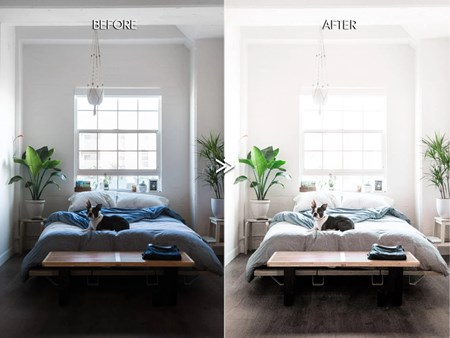
Create a practical style guide with approved examples. Explain your expectations for white balance, exposure, vertical correction, window views, exterior saturation, and sharpening. Include examples of results that look too bright, too blue, or excessively processed.
Keep client preferences in one accessible location. A short profile for each repeat client can record their preferred look, export requirements, and specific restrictions. Editors should not have to search old messages to reconstruct those preferences.
For every job, provide the selected files, requested services, reference images, deadline, and relevant exceptions. Distinguish routine corrections from additional retouching requests. When instructions arrive in a consistent format, both internal editors and external partners can work with fewer interruptions and more predictable results.
Improve File Handoffs and Batch Similar Work
Peak season exposes small inefficiencies that are easy to overlook during quieter weeks. Missing source files, duplicate uploads, and inconsistent names can delay an entire job before editing begins.
Establish one folder structure for every property. Separate source images, references, completed edits, and revisions. Label jobs clearly with a property identifier and delivery deadline, and assign someone to check that each upload is complete.
Cull images before they reach the editing queue whenever your workflow allows. Remove accidental frames and clearly identify bracket sequences or flash exposures. Editors need to know which files belong together and which final images the client expects.
Batch comparable tasks where practical. Standard interior corrections, exterior adjustments, and exports can follow repeatable steps, while specialist requests receive separate attention. Use presets and export templates for consistent starting points, then review each image individually. Automation supports judgment; it does not guarantee that every property needs identical adjustments.
Use Outsourcing as Planned Overflow Capacity
Outsourcing real estate photo editing can help your agency absorb temporary demand without recruiting permanent employees. The most useful arrangement starts before your internal team becomes overloaded. Decide which work is suitable for an external partner. You might outsource standard listing edits while keeping complex retouching, premium client reviews, and final approval in-house. Alternatively, assign complete listings externally to reduce the coordination involved in splitting one property between editors.
Test the relationship with representative images. Include mixed lighting, difficult windows, dark rooms, and exterior photographs. Assess consistency across the full gallery, communication quality, and how accurately feedback is applied.
Confirm expected volume, turnaround, upload cutoffs, revision procedures, and pricing before sending larger batches. An advertised turnaround is a starting point for discussion, so agree on what applies to your actual workload. Keep one person responsible for communication. Consolidated instructions and feedback help your partner work efficiently and prevent contradictory requests from different team members.
Protect Quality Control as Volume Increases
Sending more work through production will not help if your team spends the next morning correcting avoidable problems. Quality control needs a reserved place in the schedule, even during your busiest week. Build a concise review checklist covering natural color, consistent brightness, straight verticals, believable window views, and visible editing artifacts. Review the gallery as a whole before checking individual images closely. A technically acceptable photograph may still look inconsistent beside the rest of the listing.
Assign clear ownership for final approval. Your reviewer should understand the client's style and know when an issue requires correction. This prevents several people from reviewing the same gallery while another job receives no review at all. Return feedback in one organized batch with filenames and specific changes. Record recurring problems and update your instructions accordingly. Improving the brief after repeated feedback can reduce future corrections and preserve capacity throughout peak season.
Manage Deadlines and Client Expectations Early
A full schedule becomes harder to manage when every request is treated as urgent. Establish realistic turnaround expectations before clients book, including how late uploads, additional services, and revisions affect delivery. Set an upload cutoff that leaves enough time for editing and review. Explain when a job is considered ready for production: complete files, confirmed selections, and usable instructions should all be available.
If a client needs photographs ahead of the standard deadline, confirm capacity before promising expedited delivery. A rush fee can account for disruption, but it does not create additional hours or guarantee partner availability. Communicate delays as soon as they become likely, with a specific revised delivery time. Where appropriate, agree on a smaller priority set followed by the remaining images. This approach works best when the client approves the staged delivery and your team can manage it without duplicating work.
Track Profitability Alongside Turnaround
More completed listings do not automatically produce healthier margins. Overtime, repeated revisions, administrative work, and unpriced retouching can absorb the value of additional bookings. Monitor a few practical measures each week: on-time delivery, revision frequency, production cost per listing, and internal time spent managing outsourced work. Compare similar jobs so differences in property size and service scope do not distort the picture.
Calculate outsourcing costs using the final image count and agreed service level. Include quality review and coordination when comparing external support with internal production. The lowest quoted image price is only one part of the total cost.
Use these results to adjust your workflow throughout the season. If one client repeatedly requests work outside the original brief, clarify the package. If one editing issue appears across multiple galleries, correct the instructions before the next batch enters production.
Prepare for Peak Season With CosyFoto
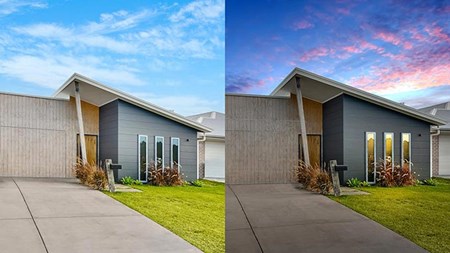
CosyFoto offers real estate photo editing, retouching, day-to-dusk conversion, and virtual staging. Photo editing starts at $0.70 per image, and a free test is available to help you evaluate the results before committing more work.

Start with a representative listing and share your approved references, preferred finish, and delivery requirements. Discuss anticipated weekly volume and confirm pricing and turnaround for the services you need. A successful test gives your agency a clearer basis for planning overflow.
Handling peak season without hiring more editors requires preparation across the entire production process. Forecast demand, simplify handoffs, protect review time, and establish reliable external support. Your team can then focus on delivering a consistent client experience as bookings increase.
Visit CosyFoto to request your free test and discuss editing support for your upcoming busy season.
 alt="">
 alt="">
 alt="">
 alt="">
 alt="">
 alt="">
 alt="">
 alt="">