
A Better Editing Workflow for Growing Media Agencies
Photo Editing
2026/10/26
Growing a real estate media company is exciting, but growth also creates pressure behind the scenes. More shoots mean more files. More photographers mean more handoffs. More clients mean more revisions, delivery deadlines, and expectations to manage.
For many agencies, the biggest challenge is not finding work; it is building a production system that can keep up with the work they already have. That is why creating a better editing workflow for real estate media agencies becomes so important as a company grows. A strong workflow helps move projects from shoot to delivery without unnecessary delays, confusion, or repetitive tasks, while giving photographers more time in the field and clients a more consistent experience.
Why Editing Becomes a Bottleneck as You Grow
When an agency is small, the editing process is often simple. A photographer shoots the property, comes home, edits the images, exports the files, and sends them to the client. That workflow can work well when there are only a few jobs each week, but it becomes much harder to maintain when booking volume increases. A photographer may complete three or four shoots in one day and still have hundreds of images waiting to be processed. Another photographer may use slightly different settings, while a client is already requesting revisions from yesterday’s project.
At that point, editing becomes more than another task on the schedule. It becomes a production bottleneck. This is especially common when an agency grows faster on the sales and photography side than on the post-production side. The solution is not always to work longer hours or hire more people immediately. In many cases, the better solution is to redesign the workflow so that files, instructions, editing, quality control, and delivery move through a clear system.
Start With Clear Production Stages
A scalable real estate media workflow should have clear stages from the moment a property is photographed until the final images are delivered. A simple structure can be: Shoot → Upload → Editing → Quality Check → Delivery. Each stage should have a clear owner and a clear definition of when that responsibility is complete.
The photographer captures the property and uploads the files, the editing team handles post-production, a quality-control step confirms that the final images meet the agency’s standards, and the completed project is prepared for delivery. This sounds simple, but many growing media agencies still rely on informal handoffs. Files may be uploaded to different folders, instructions may be sent in text messages, and revision requests may arrive through several channels. A better editing workflow for real estate media agencies reduces the number of places where information can get lost and makes every project easier to track.
Standardize the Upload Process
One of the easiest ways to improve post-production is to standardize what happens immediately after a shoot. Every photographer should know where files should be uploaded, how folders should be named, which files need to be included, where special editing instructions should go, how priority jobs are identified, and when the upload needs to be completed.
Consistency at this stage saves a surprising amount of time later. If editors have to search through folders, rename files, or ask photographers for missing instructions, production slows down. A standardized upload process also becomes more valuable as an agency adds new photographers because the workflow no longer depends on each person creating their own system. Everyone follows the same process, which makes training easier, reduces mistakes, and keeps jobs moving smoothly.
Separate Shooting From Editing
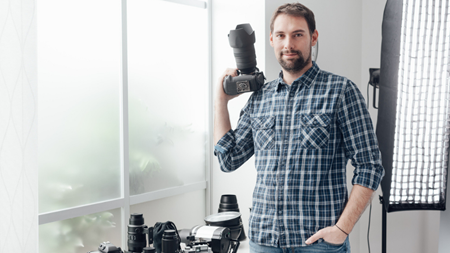
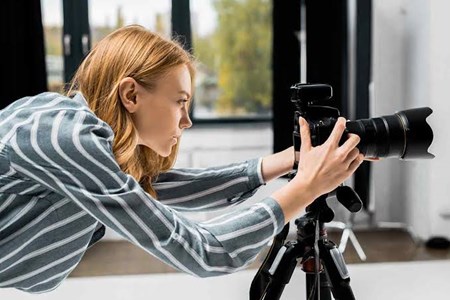
One of the biggest workflow improvements a growing media company can make is separating shooting from editing. Photographers are most valuable when they are photographing properties, communicating with agents, and completing more appointments. If they spend several hours every evening editing, the agency is using the same person for two very different jobs, and that can eventually limit growth.
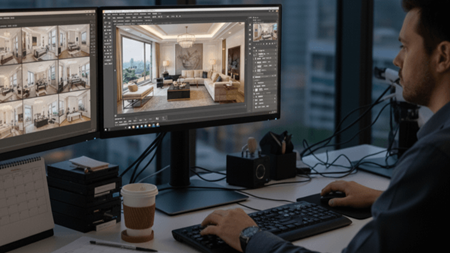
A photographer who spends three hours editing after a full day of shoots has less time for another appointment, client communication, equipment preparation, or simply getting ready for the next day. By using a dedicated post-production team or an outsourced photo editing workflow, agencies can keep photographers focused on the field while editing continues separately. CosyFoto can support this structure by handling post-production after files are uploaded, allowing the photographer’s part of the process to end sooner while the project continues moving toward delivery.
Create Clear Editing Standards
A workflow is only scalable if the expected output is clear. Without editing standards, every project becomes a new interpretation of what the final images should look like, which creates inconsistency across the agency. Growing media companies should define their preferred visual style as clearly as possible, including how bright interiors should feel, whether images should be warmer or cooler, how much detail should be visible through windows, how saturated exterior colors should look, and how perspective correction should be handled.
The agency should also define its approach to retouching, sky replacement, contrast, shadows, and other recurring editing decisions. These preferences can be documented through reference images and clear examples. Instead of telling an editor to “make it look good,” the agency creates a repeatable standard that can be applied across hundreds of projects. For a high-volume media business, consistency is more valuable than treating every job as a completely separate creative process.
Use Reference Galleries
A reference gallery is one of the most useful tools in a scalable real estate post-production workflow because it shows editors exactly what the agency expects. It can demonstrate preferred interior brightness, exterior color, window exposure, sky appearance, shadow detail, wall color, floor tone, contrast, and overall finish. Visual examples are usually much more effective than written instructions alone.
Media companies can also create different reference galleries for different types of work, such as standard residential listings, luxury homes, vacation rentals, commercial properties, or twilight imagery. This allows the editing team to adjust the final result based on the project while still maintaining the agency’s overall brand. The clearer the reference material is, the easier it becomes to achieve consistent results at scale.
Build Quality Control Into the Workflow
Quality control should not begin only after a client discovers a mistake. A better workflow includes a review step before final delivery so the team can confirm that the images meet the agency’s standards. This review does not need to be complicated, but it should be consistent.
The team should check that all expected images are included, white balance is consistent, vertical lines are corrected, windows are handled properly, colors look realistic, editing artifacts are not visible, special instructions were followed, and the files were exported correctly. For agencies processing many projects every day, even a short quality-control step can prevent unnecessary revisions and protect the company’s reputation. Clients should receive polished work rather than becoming the final stage of quality assurance themselves.
Reduce Revisions With Better Instructions
Revisions are sometimes unavoidable, but repeated revisions often indicate a workflow problem rather than an editing problem. If clients frequently ask for brighter interiors, the agency may need to adjust its standard. If photographers regularly request different window treatments, those preferences may need to be documented more clearly. If object removal creates confusion, the team may need better rules about what should and should not be removed automatically.
A strong editing workflow for real estate media agencies should improve over time. Feedback from revisions should not disappear after one project; it should help refine the standards for future work. This turns revision requests into useful operational information instead of treating every correction as an isolated issue.
Create Better Handoffs Between Teams
A growing media agency may have several people involved in one project. The photographer handles the shoot, the editor handles post-production, a production manager may review the images, and an account manager communicates with the client. If those handoffs are unclear, delays and mistakes become much more likely.
A better workflow defines exactly when responsibility moves from one person to another. For example, the photographer is responsible for uploading files and notes, the editor is responsible for completing the requested work, quality control is responsible for checking the final images, and the account manager is responsible for delivery and client communication. When everyone knows where their role begins and ends, projects are easier to track and there is less risk of tasks being missed.
Use Outsourcing as Part of the Workflow, Not Just as Backup
Some media companies only think about outsourcing when the internal team becomes overwhelmed, but an editing partner can be much more useful when it is integrated into the regular production system. Instead of waiting until the agency falls behind, outsourced real estate photo editing can become part of the normal workflow.
For example, an agency may shoot during the day, upload files in the afternoon, have editing completed overnight, review the images the next morning, and then deliver them to the client. This creates a predictable production cycle instead of turning outsourcing into an emergency solution. CosyFoto can support agencies with photo editing, retouching, virtual staging, virtual dusk, and floor plan services, which allows several post-production needs to move through the same external partner rather than being split across multiple vendors.
Make the Workflow Easy to Scale
The best workflow is not only efficient today; it should still make sense when the agency doubles its volume. A process that works for five shoots should also be able to support twenty shoots without completely changing the system. That means avoiding workflows that depend too heavily on one person remembering every detail or manually coordinating every project.
A scalable system relies on standard naming, clear instructions, defined production stages, consistent editing standards, reliable upload processes, quality control, clear ownership, and flexible post-production capacity. When these pieces are in place, the agency can add more photographers, clients, and services without rebuilding the entire operation every time the business grows.
Give Your Team More Time for High-Value Work
A strong workflow does more than save editing time. It allows each person in the company to focus on the work that creates the most value. Photographers can spend more time on shoots and client relationships, account managers can focus on communication, production teams can focus on quality, and owners can spend more time on sales, hiring, partnerships, and expansion.
When editing is organized, fewer people need to spend time solving avoidable production problems. That creates a healthier operation and makes it easier for the company to grow without adding unnecessary complexity.
A Better Workflow Creates a Better Client Experience
Clients may never see the editing workflow behind the scenes, but they experience the results of it. They notice when images arrive on time, when every gallery looks consistent, when revisions are handled smoothly, and when the overall process feels easy.
A reliable real estate media workflow creates a more professional client experience because the agency is not constantly reacting to problems behind the scenes. Delivery expectations become easier to communicate, quality becomes more predictable, and the company can provide a more consistent service regardless of how busy the schedule becomes.
Build a Workflow That Supports Growth
Growth should not automatically create chaos. A real estate media company can handle more photographers, more listings, and more clients without allowing post-production to become a constant bottleneck. The key is creating a workflow that is clear, repeatable, and scalable.
A better editing workflow for real estate media agencies separates shooting from post-production, standardizes handoffs, defines editing expectations, builds in quality control, and creates enough production capacity to handle changing demand. CosyFoto can support that system as an external post-production partner, helping agencies simplify editing while keeping their internal teams focused on clients, shoots, and growth.
Your photographers shoot, your team uploads, CosyFoto handles the editing, and your agency reviews and delivers. A simpler production system makes growth easier to manage, and when the workflow works well, the entire business works better.
 alt="">
 alt="">
 alt="">
 alt="">
 alt="">
 alt="">
 alt="">
 alt="">