
Real Estate Photo Editing That Makes Every Room Worth a Second Look
Photo Editing
2026/10/12
It is 7:30 p.m. You have finished three property shoots, driven across town, and finally opened the last folder on your laptop. The living room looked inviting in person. On screen, the corners are dark, the windows are white, and the kitchen cabinets seem to change color between photographs.
It is 7:30 p.m. You have finished three property shoots, driven across town, and finally opened the last folder on your laptop. The living room looked inviting in person. On screen, the corners are dark, the windows are white, and the kitchen cabinets seem to change color between photographs.
Then a message arrives: “Can we have these first thing tomorrow?”
For photographers and media agencies, real estate photo editing can turn a successful shoot into a long evening. The images are captured, but the gallery still needs work before it represents the property the way you intended.
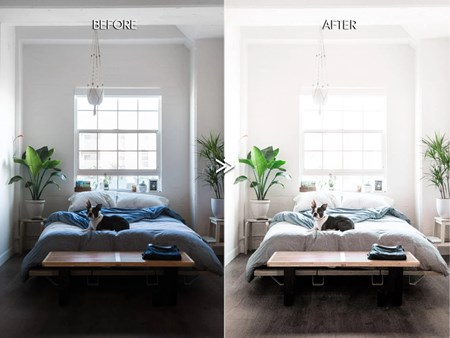
Real estate photo editing refines exposure, color, perspective, and image details to prepare property photographs for presentation. Done well, it helps viewers understand a space while preserving its character. The most valuable improvements often come from small, thoughtful adjustments that make the entire gallery feel more inviting and consistent.
How Real Estate Photo Editing Brings the Room Back Into Focus
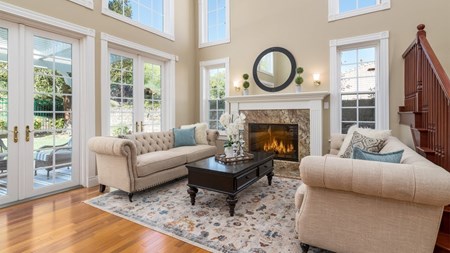
Imagine photographing a living room with large windows, pale walls, and a dark sofa. Standing there, you can appreciate the garden outside and the texture of the furniture. Capturing both convincingly in one exposure can be difficult. Expose for the interior, and the window may lose detail. Expose for the garden, and the sofa can disappear into shadow. Mixed lighting adds another complication: daylight enters from one side while warm ceiling lights illuminate the other.
Real estate photo editing helps reconcile those differences when the source files contain the necessary information. Exposure adjustments, selective color correction, and carefully blended frames can make the finished photograph easier to read. The aim is to communicate what made the room appealing during the shoot. You want viewers to notice the generous windows, comfortable seating area, and attractive finishes without being distracted by dark corners or distracting color casts.
Brighter Is Useful Until Everything Turns White
“Make it brighter” sounds straightforward. In practice, there is a point where lifting exposure starts removing the details that make a property interesting.
Picture a kitchen with white cabinets, marble countertops, and a pale tiled backsplash. Push the brightness too far, and those three surfaces merge. The photograph looks light, but the materials become harder to distinguish. Thoughtful real estate photo editing balances the room while retaining separation between surfaces. Cabinet edges remain visible. The countertop keeps its pattern. Shadows beneath the island provide enough depth to explain its shape.
For photographers, this is a useful review question: can you still see what the homeowner paid for? If premium finishes have disappeared into bright highlights, the edit needs another pass. An inviting photograph should reveal the room’s details and give viewers a clear sense of its materials.
White Cabinets Should Not Change Color Between Photos
Open a listing gallery and imagine seeing cream cabinets in the first photograph, blue cabinets in the second, and almost gray cabinets in the third. Each image might look acceptable alone, yet together they create uncertainty. Color consistency is one of the less dramatic but more valuable parts of professional real estate photo editing. It helps the property feel coherent as viewers move between rooms and angles.
That does not mean making every surface neutral. Warm wood should retain its warmth, and a cream wall should not automatically become pure white. Corrections need to account for the actual materials, the lighting, and any reliable references supplied by the photographer. For media agencies, approved reference images are especially useful. “Match this kitchen finish” is easier to interpret than “make the colors better.” Clear examples help editors preserve both the property’s identity and the agency’s preferred style.
The Window View Should Belong to the Room
A beautiful garden view can be an important feature. Bringing it into the photograph makes sense, but there is a familiar editing mistake: the exterior becomes so dark, sharp, and saturated that it looks pasted into the window. Suddenly, the viewer is looking at the edit.
A convincing window treatment considers the relationship between indoor and outdoor light. The view should fit naturally within the scene, with careful attention to frames, reflections, and edges. There is no need to make every leaf outside compete with the room.
Supply the relevant bracketed or flash exposures when your workflow uses them. If the view was not captured, explain that limitation rather than expecting the editor to recover missing detail. Better source material gives your real estate photo editing partner more room to produce a believable result.
The goal is a window that adds context while keeping the room visually connected to its surroundings.
Your Best Photo Cannot Carry the Entire Gallery
The hero image gets attention, but the remaining photographs have work to do. A bright living room followed by a muddy hallway and an overly orange bedroom makes the delivery feel unfinished. Try reviewing a listing as a sequence instead of a collection of individual files. Move through it as someone exploring the property would. Does the brightness shift abruptly? Do floors change color? Are similar rooms treated consistently?
Some variation is natural. A shaded bedroom should not necessarily feel identical to a sunlit kitchen. What matters is whether those changes make sense for the property. This is where a gallery review earns its place in your real estate photo editing workflow. Looking at images together can reveal problems that are easy to miss when reviewing files individually. It also gives your agency a more useful quality standard: the complete delivery should feel considered, including the less glamorous rooms.
Good Real Estate Photo Editing Knows When to Stop
Electric blue skies, glowing lawns, crunchy textures, and bright outlines around rooflines can make an image feel artificial. These effects may look striking during editing, especially after staring at the same photograph for several minutes. Step away briefly, then review the image at normal viewing size. Ask where your attention goes first. If it lands on an unusually vivid patch of grass or an obvious blending edge, that area probably needs attention.
Good judgment also includes knowing which features must remain accurately represented. A permanent obstruction, damaged surface, or structural feature should not disappear simply because removing it makes the composition cleaner. Give editors specific instructions about permitted changes. Requests such as virtual staging or substantial retouching deserve separate discussion about the intended use and how the altered image will be presented. Agree on the boundaries before production begins, while everyone has time to resolve questions.
The Real Cost Can Hide in Your Evening
Real estate photo editing costs are easy to underestimate when you only count the time spent adjusting images. There are also downloads, file selection, exports, uploads, client messages, and the occasional request to make one room “a little less warm.” Consider a hypothetical delivery of 40 images. At an average of four minutes per image, hands-on editing alone takes two hours and 40 minutes. File handling and review come on top of that.
The exact numbers will vary, but the exercise is useful. Track one ordinary job from import to delivery, including interruptions and corrections. You may discover that the task filling your evening is larger than your pricing assumes. For a growing media agency, this raises a practical question: which parts of production need your personal attention? Keeping creative direction and final approval internal while outsourcing suitable editing work may free up time for shooting, scheduling, and client relationships.
Test an Editing Partner With Your Trickiest Photos
A perfectly lit bedroom will tell you only so much about a real estate photo editing service. A more useful test includes the kitchen with mixed lighting, the living room with bright windows, and the exterior captured under an overcast sky. Send a small, representative selection alongside examples of your preferred finish. Explain what you want preserved and identify anything unusual about the property. Include the delivery specifications so you can assess the complete handoff.
When the results arrive, review more than appearance. Were your instructions understood? Do the images work together? If you requested a correction, was the feedback applied accurately? A trial should help you decide whether the working relationship fits your agency. Discuss expected volume, service scope, pricing, and turnaround before relying on a partner for a busy week. Clear expectations make it easier to repeat a good result across future listings.
Bring Your Next Gallery to Life With CosyFoto
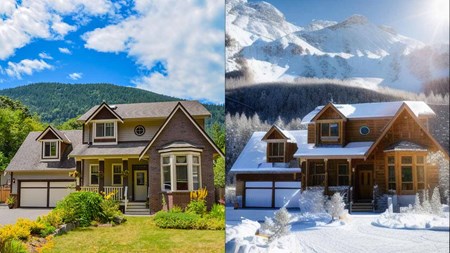
CosyFoto offers real estate photo editing, retouching, day-to-dusk conversion, and virtual staging. Photo editing starts at $0.70 per image, with a free test available to help you assess the finish before sending a larger project. Start with photographs that reflect the work your agency actually delivers. Share your preferred style, reference images, and specific instructions, then discuss the services and delivery timing you need. Your next gallery deserves the same care you put into the shoot. Balanced light, believable colors, and consistent editing help the details you captured come through clearly, from the opening image to the final room.
Contact us at info@cosyfoto.com to request your free test edit. Send a few photos or a download link with your editing preferences, and see how CosyFoto’s real estate photo editing can support your next listing. Explore our services at cosyfoto.com.
 alt="">
 alt="">
 alt="">
 alt="">
 alt="">
 alt="">
 alt="">