
How to Reduce Photo Editing Revisions
Photo Editing
2026/08/31
Revisions are a normal part of professional real estate photo editing. Sometimes an interior needs to be slightly brighter, a window view needs adjusting, or a client asks for an unexpected change.
But when almost every order requires multiple rounds of corrections, revisions can become a serious workflow problem.
For busy real estate photographers and media agencies, the process adds up quickly. You review a completed gallery, identify issues, write instructions, send images back, wait for the changes, and review everything again. When you're processing several listings each week, unnecessary revisions can take away much of the time you hoped to save by outsourcing. Learning how to reduce photo editing revisions doesn't mean accepting lower-quality work. It means creating a clearer workflow where your editor understands what you expect before editing begins.
Here are practical ways to reduce unnecessary back-and-forth while maintaining a consistent editing style across every listing.
Why Do Photo Editing Revisions Happen?
Many revisions aren't caused by poor editing. They're caused by different expectations. Words such as "bright," "natural," "warm," or "clean" can mean different things to different photographers and editors. You may ask for natural-looking interiors and expect neutral walls with soft shadows, while an editor may interpret that as brighter exposure and warmer colors.
Technical differences can also create revisions. A photographer may change bracketing methods, introduce flash exposures, or submit images from a particularly difficult lighting environment. Client requests add another layer. An agent might suddenly ask for a stronger window view, object removal, greener grass, or a different twilight look.
You probably can't eliminate every revision, but you can eliminate many of the avoidable ones.
1. Define Your Editing Style
The first step to reduce photo editing revisions is defining what your finished photographs should look like. Think about the characteristics that appear consistently throughout your portfolio.
How bright should interiors be? Do you prefer completely neutral whites or some natural warmth? How much contrast should remain? How saturated should exterior greens and skies appear? How much detail should be visible through windows?
These preferences form your editing style. If they're not clearly defined, your editor has to make those decisions for you. Sometimes those decisions will match your expectations; sometimes they won't. A defined editing style gives your editor a target and makes consistency much easier to achieve.
2. Use Reference Images
Visual references are often more useful than long written instructions.
- "Make the room brighter but keep it natural" leaves plenty of room for interpretation.
- Instead, provide an example from a previous gallery and say, "Please match this overall brightness, color balance, and contrast."
Create a small collection of photographs that represents your preferred style. Include different situations such as living rooms, kitchens, bedrooms, bathrooms, exteriors, and window pulls. You don't need dozens of examples. A few carefully selected references can communicate your preferences clearly. This is particularly useful when beginning a relationship with a new editing partner because the editor can immediately see the visual standard you're trying to achieve.
3. Keep Your Shooting Workflow Consistent
Editing consistency begins before your files reach an editor. If your shooting technique changes dramatically between properties, your editor has to make more decisions during post-production.
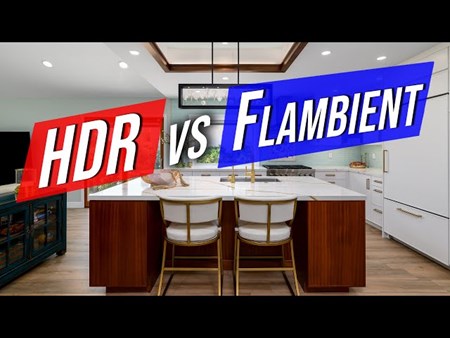
For HDR photography, try to maintain a consistent bracketing method. If you normally provide five exposures but suddenly submit three differently spaced exposures, the editing process may produce a different result. Flambient photographers should also organize ambient, flash, and window exposures consistently so editors can quickly understand how the files are intended to work together.
Consistent camera settings, exposure strategies, file organization, and capture methods make post-production more predictable. Better source files usually mean fewer corrections later.
4. Communicate Special Requests Before Editing
If a property has unusual requirements, tell your editor before work begins. Perhaps the agent wants a car removed from the driveway. Maybe the view through the living room windows is an important selling point. An exterior image may need a day-to-dusk transformation, or a room might require additional retouching.
Don't wait until the completed gallery arrives to mention these details.
At the same time, you shouldn't need to write complicated instructions for every standard order. Once your regular editing preferences are established, only exceptions should require additional explanation. A good workflow gradually becomes simpler because the editor already understands your standard style.
5. Standardize Window Pulls and Exterior Editing
Window pulls are one of the most common areas where photographers have different preferences. Some photographers want detailed exterior views. Others prefer brighter windows that maintain a more natural relationship between indoor and outdoor light. Provide examples showing how you want typical windows handled and clarify when a view deserves extra attention, such as oceanfront properties, mountain views, or city apartments.
Do the same for exteriors. Establish preferences for sky enhancement, grass color, brightness, saturation, and minor cleanup. Also decide what should only be removed when specifically requested. These standards reduce the number of subjective decisions your editor has to make.
6. Give Specific Feedback
When revisions are necessary, make your feedback actionable.
- "Fix the colors" isn't very helpful.
- "The kitchen walls are too yellow compared with our reference image" immediately tells the editor what needs to change.
Specific feedback also helps improve future orders. If you repeatedly ask for slightly brighter interiors, that preference should eventually become part of your standard editing style. If you always request softer window pulls, communicate that as your default. The best revision isn't simply a correction. It's information that makes the next order more accurate.
7. Review the Entire Gallery
A photograph can look good individually but still feel inconsistent within a complete gallery. When reviewing finished work, move through the listing as a buyer would.
Does exposure remain consistent between rooms? Are different angles of the same space using similar white balance? Do exterior images share the same color treatment? Are window pulls consistent? Buyers experience a listing as a sequence of photographs, so gallery-level consistency matters. This becomes even more important for real estate media agencies working with multiple photographers or editors.
8. Build a Simple Editing Style Guide
If your photography volume is increasing, create a basic editing guide. Document your preferences for exposure, white balance, contrast, vertical correction, window pulls, exterior colors, HDR blending, and flambient processing. Include approved examples whenever possible.
The guide doesn't need to be complicated. Its purpose is simply to give everyone involved in production the same reference point. It also makes onboarding new editors easier and helps prevent your brand's visual style from changing depending on who happens to process a particular listing.
How CosyFoto Helps Reduce Photo Editing Revisions
At CosyFoto, the goal of outsourcing is to make post-production easier for photographers, not create another layer of work.
Every photographer has different preferences. Some want bright, airy interiors with neutral whites. Others prefer more contrast, warmer tones, or stronger natural shadows. Window pulls, exterior colors, HDR blending, and flambient processing can also vary significantly between photographers.
Providing clear instructions, reference images, and ongoing feedback helps establish a workflow that reflects your preferred style rather than relying on the same approach for every photographer.
Establish Your Style With a Free Test
One of the easiest ways to reduce revisions with a new editing partner is to establish expectations before sending large galleries. CosyFoto offers a free test edit, giving photographers an opportunity to evaluate the editing approach and communicate preferences first. Use the test strategically.
Look at interior brightness, white balance, contrast, colors, window treatment, and overall realism. Compare the result with your existing portfolio and explain any differences that matter to you. Making these adjustments during the testing stage can establish a much clearer direction for future orders.
More Than Basic Photo Editing
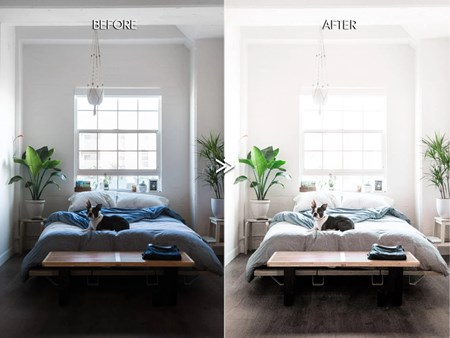
A real estate gallery often requires more than exposure correction. CosyFoto's standard photo editing includes adjustments such as exposure, white balance, contrast, color, noise reduction, and lens correction. More detailed post-production needs can be handled through additional services such as retouching.
CosyFoto also provides Virtual Dusk, Virtual Staging, Retouching, and Floor Plan services, allowing photographers and media agencies to manage more of their property post-production within the same broader workflow. This can help maintain consistency when a listing requires several different deliverables.
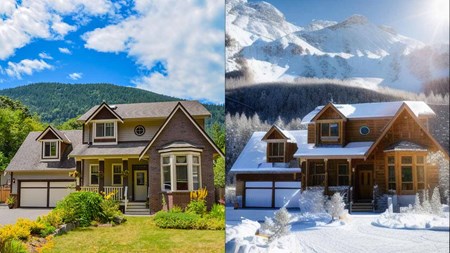
For example, a day-to-dusk exterior should still feel connected to the daytime gallery. A virtually staged room should complement the original lighting and perspective. Detailed retouching shouldn't make one image look dramatically different from the rest of the property. Keeping these services connected can make the final marketing package feel more cohesive.
Support for HDR and Flambient Workflows
HDR and flambient photographers also have different post-production requirements. HDR processing requires careful exposure blending, color correction, highlight control, and natural contrast. Poor processing can create exaggerated colors or an artificial HDR appearance. Flambient editing requires careful blending between ambient and flash exposures to combine accurate colors with natural shadows and atmosphere.
In both cases, consistency matters. Providing clear references and organized source files helps CosyFoto understand how you want your images processed. As your preferences become established, the workflow can become increasingly predictable. The objective is for you to spend less time explaining the same corrections with every order.
24/7 Support for Busy Photography Workflows
Real estate photography doesn't always fit into a standard working day. You may finish your final shoot in the evening but need listing-ready photographs delivered to an agent the following day. CosyFoto operates 24/7, allowing post-production to continue while photographers focus on other parts of their business.
For independent photographers, this can mean fewer evenings spent processing brackets, correcting colors, and retouching images after a full shooting day. For larger real estate media agencies, external editing support can provide additional capacity without requiring every increase in photography volume to be matched by an increase in internal editing staff. CosyFoto currently lists standard professional photo editing from $0.70 per image, with a 12–24-hour delivery window for its photo editing service.
But turnaround time is only truly valuable when the images arrive close to your expectations. A gallery delivered quickly but requiring several rounds of corrections can ultimately take longer than a carefully established workflow that gets closer to the desired result the first time.
Turn Revisions Into Better Future Orders
Some revisions will always happen. A difficult property may require extra attention. An agent may change their mind. A unique room may need a different approach.
The important thing is that repeated feedback becomes part of the working relationship. If you consistently prefer brighter interiors, communicate that preference. If window views are regularly too strong, establish a softer standard. If you prefer less saturated exterior greens, make that part of your reference style.
Over time, this feedback can turn outsourcing from a simple transaction into a more predictable production system. That's where a long-term editing relationship becomes valuable.
Fewer Revisions Make Your Business Easier to Scale
Reducing revisions isn't only about saving a few minutes on individual photographs. At higher volumes, those minutes become hours. If you photograph several properties per day and every gallery requires corrections, reviewing, communicating, and checking revisions can quickly become another production bottleneck.
A predictable editing workflow changes that. You can finish a shoot, organize the files, communicate any unusual requirements, and send the project to your editing partner with greater confidence that the finished gallery will match your expectations. That makes it easier to accept more shoots without creating the same increase in post-production work.
Final Thoughts
Learning how to reduce photo editing revisions comes down to reducing uncertainty. Define your editing style, use reference images, maintain a consistent shooting workflow, communicate unusual requests before editing starts, and provide specific feedback when changes are needed.
Most importantly, turn repeated feedback into permanent standards.
You don't need to eliminate every revision. Properties, lighting conditions, and client requests will always vary. The objective is to eliminate unnecessary back-and-forth and create a workflow that becomes more efficient over time.
With a reliable editing partner such as CosyFoto, photographers and real estate media agencies can move toward a more consistent post-production system—one that supports HDR, flambient, retouching, virtual staging, virtual dusk, and everyday real estate photo editing without requiring you to spend every evening behind a computer.
You focus on capturing the property and growing your photography business. Let CosyFoto help take care of the editing.
 alt="">
 alt="">
 alt="">
 alt="">
 alt="">
 alt="">
 alt="">
 alt="">
 alt="">