
Flambient vs HDR Real Estate Photography: Which Is Better?
Photo Editing
2026/08/24
Real estate photography may look simple from the outside: arrive at the property, compose each room, take the photos, and deliver them to the agent. In reality, creating bright, natural, professional-looking interiors requires photographers to overcome one of photography's biggest challenges—lighting.
A typical room can contain bright sunlight coming through the windows, dark corners, warm interior lights, cool daylight, reflective surfaces, and different colors bouncing around the space. Capturing all of these elements accurately in a single photograph isn't always possible.
That's why two techniques have become especially popular among real estate photographers: HDR and flambient photography.
The flambient vs HDR real estate photography debate isn't necessarily about one technique being better than the other. Both approaches can produce excellent listing photos, but they use very different shooting and editing workflows. HDR prioritizes speed and efficiency by blending multiple ambient exposures, while flambient combines flash and ambient light for greater control over color, lighting, and window views.
So, which method should you use? Let's look at how each technique works, their advantages and disadvantages, and how professional editing can help you get the best results from either workflow.
What Is HDR Real Estate Photography?
HDR stands for High Dynamic Range. In real estate photography, HDR typically involves photographing the same composition several times at different exposure levels and then blending those exposures during post-production.
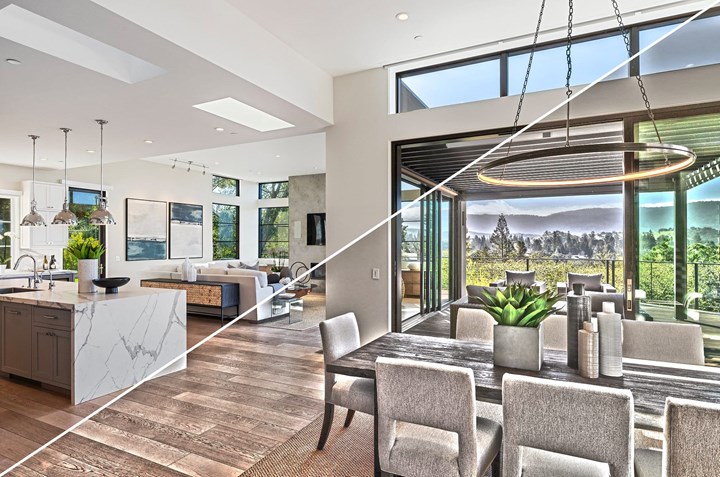
One image may be exposed for darker areas of the room, another for the midtones, and another for bright areas such as windows. When those exposures are combined, the final image can retain information that would be difficult to capture with a single photograph. This is particularly useful for interiors because the brightness difference between a room and the outdoors can be significant.
Imagine photographing a living room with large windows on a sunny afternoon. If you expose for the interior, the windows may become almost completely white. If you expose for the view outside, much of the room could become too dark. HDR gives the editor multiple exposures to work with so both areas can be balanced.
For photographers handling several properties per day, HDR is especially attractive because the shooting process can be relatively quick once a consistent bracketing workflow has been established.
What Is Flambient Real Estate Photography?
Flambient photography gets its name from combining flash and ambient light. Instead of relying primarily on multiple natural-light exposures, the photographer captures both ambient exposures and one or more flash exposures. These images are then manually blended during post-production.
The ambient exposure preserves the natural atmosphere of the room. It captures the way existing light falls throughout the space and helps maintain realistic shadows and depth. The flash exposure provides something different: control. Flash can help neutralize unwanted color casts, reveal more accurate wall and furniture colors, and provide controlled illumination throughout the room. During editing, elements from the flash and ambient exposures are carefully combined to create a final image that takes advantage of both.
When performed well, flambient photography produces clean, polished interiors that still feel natural rather than heavily illuminated by artificial light.
Flambient vs HDR Real Estate Photography: What's the Main Difference?
The biggest difference between the two techniques is how photographers manage light. HDR primarily relies on multiple exposures of the existing ambient light. The photographer captures a bracketed sequence, and those exposures are blended later to balance highlights and shadows.
Flambient introduces flash into the workflow. Instead of relying entirely on the property's existing lighting conditions, photographers create additional exposures that give them greater control during post-production. This means HDR is generally faster to photograph, while flambient often provides more control over the finished image.
The difference becomes particularly noticeable in challenging interiors where mixed lighting creates strong color casts or where large windows make exposure balancing difficult. Both techniques still depend heavily on editing. Capturing the files is only the first half of the process; the final look is created during post-production.
Which Technique Produces More Natural Images?
Both HDR and flambient can produce natural-looking real estate photos when captured and edited properly.
HDR sometimes gets a negative reputation because of the exaggerated "HDR look" associated with older processing techniques. Heavy tone mapping can create unrealistic colors, strange halos around windows, flat shadows, and an overly processed appearance.
Modern professional HDR editing is much more subtle. A skilled editor blends exposures to create balanced lighting while preserving natural contrast and accurate colors. When done correctly, buyers shouldn't immediately recognize that they're looking at an HDR image.
Flambient offers even greater control over certain aspects of the photograph. Flash helps reveal accurate colors and reduce contamination from mixed lighting, while ambient exposures restore natural shadows and atmosphere.
However, poorly blended flambient photography can also look unnatural. Excessive flash can make rooms appear flat, harsh, or artificially illuminated. Neither technique automatically creates better photos. The photographer's capture technique and the editor's skill ultimately determine the final quality.
Color Accuracy: Where Flambient Has an Advantage
Color casts are one of the biggest challenges in interior photography. A room might contain warm tungsten bulbs, cool LED fixtures, daylight from several windows, and reflections from colorful furniture or walls. All of these light sources can affect how surfaces appear in photographs.
HDR captures these lighting conditions as they exist, which means editors often need to manually correct unwanted color casts during post-production. Flambient provides another option. Because flash has a predictable color temperature, flash exposures can reveal more neutral and accurate colors on walls, ceilings, cabinets, and furniture. Editors can then combine those cleaner colors with the natural lighting from the ambient exposure.
For properties with complicated mixed lighting, this can make flambient particularly effective. However, modern HDR editing can also produce excellent color accuracy when photographers provide good exposures and experienced editors handle the blending and color correction.
What About Window Views?
Windows are another important consideration in the flambient vs HDR real estate photography comparison. Bright windows create a large exposure difference between indoor and outdoor areas. HDR brackets help address this by including darker exposures that preserve exterior information. An editor can use those exposures to create natural window pulls while maintaining a bright interior.
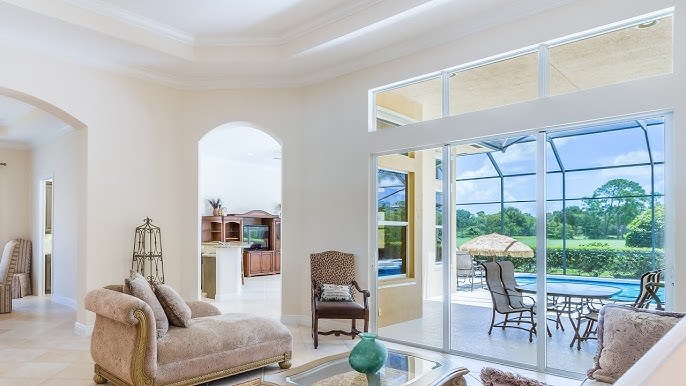
Flambient photographers can use flash exposures alongside darker window exposures to gain additional control over the result. This can make it easier to create clean window frames and well-defined exterior views.
However, the goal shouldn't be to make every window perfectly dark and detailed. Windows are natural sources of light, so they should generally remain brighter than surrounding interior surfaces. Overly dark window pulls can make the exterior look like an image pasted onto the glass. Regardless of technique, subtle editing usually creates the most believable result.
Which Technique Is Faster to Shoot?
HDR usually wins when speed is the priority. Once the camera is positioned on a tripod, photographers can quickly capture an exposure bracket and move to the next composition. This makes HDR particularly efficient for standard residential listings or photographers shooting multiple homes in one day.
Flambient takes more time because the photographer needs to manage additional lighting equipment and capture flash exposures correctly. Depending on the room, flash may need to be repositioned or bounced from different surfaces. Larger or more complex spaces can require multiple flash frames. Those extra minutes add up over an entire property.
For high-volume photographers, the efficiency of HDR can translate into additional appointments each day. For photographers prioritizing premium results over maximum shooting speed, the additional control offered by flambient may justify the longer workflow.
Which Technique Requires More Editing?
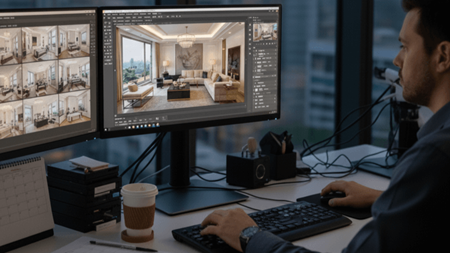
Both require professional post-production, but flambient generally involves more manual blending. HDR editing requires the editor to combine bracketed exposures, correct colors, balance lighting, straighten verticals, manage window views, and create consistency throughout the gallery. Flambient adds another layer because flash and ambient exposures need to be carefully combined. Editors may use the flash frame for accurate colors and selected areas while allowing ambient light to preserve natural shadows and atmosphere.
Masking needs to be precise, particularly around furniture, windows, mirrors, plants, and other detailed objects. Because of this, flambient editing can require more time and technical expertise. For photographers who don't want to spend hours manually blending images after every shoot, outsourcing can make both workflows significantly more efficient.
HDR Works Well for High-Volume Real Estate Photography
For photographers shooting multiple standard listings every day, HDR is difficult to beat from an efficiency perspective. The capture process is relatively straightforward, and photographers don't need to carry as much lighting equipment through every property. This allows them to move efficiently from room to room while collecting enough exposure information for professional editing.
With a reliable editing workflow, HDR can produce bright, clean, consistent images suitable for the majority of residential listings. This makes it particularly attractive to photographers who compete on turnaround time and need to deliver large galleries quickly.
Flambient Works Well for Premium Properties
Flambient photography becomes particularly valuable when image quality and lighting control are the highest priorities. Luxury homes often contain complex materials, carefully designed interiors, large windows, expensive finishes, and sophisticated lighting systems. Accurately representing those details may justify spending additional time on both photography and editing.
Flambient can also be useful when a photographer wants a distinctive, highly controlled style for architectural or premium real estate work. That doesn't mean flambient should only be used for luxury properties. Some photographers use it for nearly every interior. It simply means the additional time and effort can be easier to justify when the property's marketing budget supports a more detailed production process.
Can You Combine HDR and Flambient?
Absolutely. Photography workflows don't always need to fit neatly into one category. A photographer might use HDR brackets for most rooms while adding flash exposures for particularly challenging spaces. Another may primarily use flambient but capture additional brackets to provide more flexibility during editing. Hybrid workflows allow photographers to choose the technique that best fits each situation rather than following rigid rules. What's important is providing the editor with enough information to produce a clean, balanced final image.
Which Is Better for Your Photography Business?
The right answer depends on your clients, pricing, schedule, and preferred style. If you're photographing several properties each day and your clients prioritize fast turnaround and consistent MLS-ready images, HDR may offer the most efficient workflow.
If you specialize in luxury listings or prefer having greater control over colors and interior lighting, flambient may be worth the additional capture and editing time. Your business model matters just as much as image quality. A technique that adds significant time to every property may be worthwhile for a photographer charging premium rates, but it could create scheduling problems for someone photographing several homes per day. The best workflow is the one that allows you to consistently deliver the quality your clients expect while keeping your business profitable and sustainable.
Why Editing Matters for Both HDR and Flambient Photography
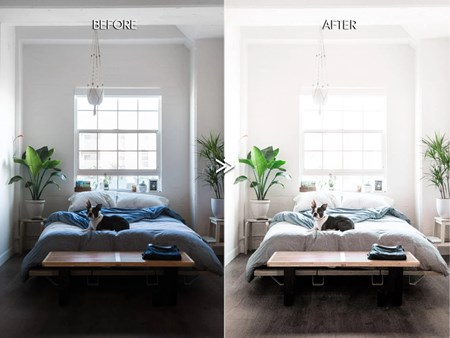
The discussion around flambient vs HDR real estate photography often focuses heavily on what happens behind the camera, but post-production has an enormous impact on the final result. Excellent source files can still look poor when editing is rushed or inconsistent. Likewise, experienced editors can turn well-captured HDR or flambient exposures into polished images that feel bright, realistic, and professional.
Exposure blending, color correction, vertical correction, window pulls, sharpening, contrast, and overall gallery consistency all contribute to the finished photograph. The best editing shouldn't immediately announce itself. Buyers should notice the architecture, natural light, views, and atmosphere of the property—not the techniques used to create the photograph.
How CosyFoto Supports HDR and Flambient Photographers
Whether you shoot HDR, flambient, or use a hybrid workflow, capturing the images is only part of the process. The final quality of a real estate gallery depends heavily on how those exposures are blended, corrected, and refined during post-production.
At CosyFoto, we specialize in professional real estate photo editing designed to support photographers with different shooting techniques, styles, and workloads. Rather than applying the same look to every photographer's work, the goal is to create polished, natural-looking images while respecting the photographer's preferred style.
Professional HDR Editing Without the Overprocessed Look
HDR gives editors multiple exposures containing information from the brightest highlights to the darkest shadows. The challenge is bringing those exposures together without creating the exaggerated HDR effect that can make real estate photos look artificial. Professional HDR editing focuses on balance. Exposure, white balance, contrast, colors, highlights, shadows, lens distortion, and other details can be carefully refined to produce a clean final image. Bright areas retain useful information, dark areas remain visible, and the room still has enough contrast to feel natural.
For photographers, this means bracketed exposures can be transformed into polished, listing-ready images without spending hours processing every property themselves. The goal isn't to make buyers notice the HDR processing. It's to make them notice the property.
Detailed Support for Flambient Workflows
Flambient photography requires a different editing approach because both flash and ambient information need to work together. The flash exposure can provide cleaner colors and greater lighting control, while the ambient exposure preserves the natural atmosphere, depth, and shadows of the room. Combining those elements convincingly requires careful masking, exposure balancing, and color correction. For photographers, this can become one of the most time-consuming parts of a flambient workflow.
You may love the control that flambient gives you during a shoot but not want to spend the rest of the evening manually blending dozens of images. Working with CosyFoto allows photographers to move that post-production workload away from their own desks while still maintaining the look they want to deliver to clients.
More Than HDR and Flambient Editing
A completed real estate gallery often requires much more than exposure blending. Windows may need additional attention, vertical lines may require correction, unwanted objects can distract from a room, and exterior photographs may need additional enhancement.
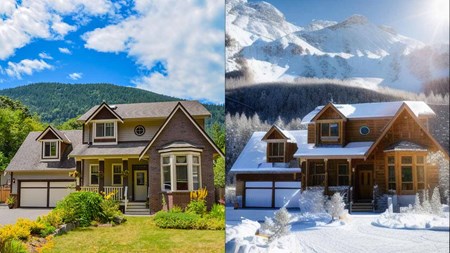
CosyFoto supports real estate professionals with a range of post-production services, including standard photo enhancement, HDR processing, object removal, virtual staging, virtual renovations, and day-to-dusk transformations. Having multiple services available through one editing partner can make the workflow significantly easier for photographers. Instead of managing several different providers, you can keep more of your post-production process in one place. This is particularly valuable when clients begin requesting additional services beyond standard listing photography.
Consistency Across Every Listing
One of the biggest challenges for busy photographers isn't creating one impressive photograph. It's delivering the same standard across hundreds or thousands of images. One morning you may photograph a modern apartment filled with daylight. That afternoon, you might photograph a traditional home with warm lighting and darker interiors. Those properties shouldn't look identical, but your editing quality should.
Exposure, color balance, perspective, window pulls, contrast, and overall finishing should follow a consistent visual standard that clients can recognize. A reliable editing partner can help maintain that consistency even as your workload increases. For photographers building long-term relationships with real estate agents, this is especially important. Clients should know what level of quality they can expect every time they book a shoot.
Spend Less Time Editing and More Time Shooting
Perhaps the biggest advantage of outsourcing isn't editing itself. It's time. A photographer can spend an entire day moving between properties and return home with hundreds of HDR brackets or flambient exposures waiting to be processed. If every shoot creates several additional hours of post-production, business growth eventually becomes difficult. Taking on more photography jobs simply creates more nights spent editing.
Outsourcing changes that equation. Instead of using your evenings for exposure blending, masking, color correction, and perspective adjustments, you can dedicate that time to additional shoots, client communication, marketing, networking, or simply maintaining a healthier schedule. CosyFoto's role is to take care of the post-production while you focus on the parts of your photography business that require you personally.
Editing That Scales With Your Business
Editing everything yourself may work perfectly when you're photographing a few properties each week. But what happens when five listings become fifteen? What happens when you add another photographer to your team or start working with a larger real estate agency? Post-production can quickly become the bottleneck.
Working with an external editing team gives your business additional capacity without requiring you to build and manage an entire in-house editing department. Whether you're an independent photographer handling several listings each week or a growing real estate media company managing a high volume of images, scalable editing support allows your post-production capacity to grow alongside your photography business.
Your Photography Style Still Comes First
Outsourcing shouldn't mean losing your identity as a photographer. Every photographer has different preferences for brightness, contrast, color temperature, window views, exterior colors, and overall image style. The strongest photographer-editor relationships develop when those preferences are clearly communicated and refined over time.
Reference images, editing instructions, and feedback can help create a workflow that reflects the style you want your clients to see. Ultimately, the editing partner should support your photography—not replace your creative direction. You capture the property, develop your visual style, work with clients, and grow your brand. CosyFoto helps take care of the editing behind it.
Final Thoughts: Flambient or HDR?
So, which wins in the flambient vs HDR real estate photography comparison? There isn't one universal answer.
HDR offers speed, simplicity, and scalability, making it an excellent choice for high-volume residential real estate photography. With professional exposure blending and color correction, it can produce natural, polished images efficiently.
Flambient requires more equipment, shooting time, and post-production, but it provides photographers with greater control over color accuracy, lighting, and challenging interiors. For premium listings and photographers who prioritize detailed control, those advantages can make the extra work worthwhile.
Some photographers prefer one method exclusively, while others combine both depending on the property. Ultimately, the capture technique is only part of the equation. Great real estate photography comes from thoughtful composition, proper exposure, careful lighting, and professional editing working together. Whether you shoot HDR, flambient, or a combination of both, consistency and realism should remain the priority. When buyers look at your finished images, they shouldn't be thinking about flash exposures, brackets, or editing techniques.
They should simply be thinking: I'd like to see this home.
 alt="">
 alt="">
 alt="">
 alt="">
 alt="">
 alt="">
 alt="">
 alt="">