
Virtual Staging How To: A Step-by-Step Guide for Real Estate Listings
Photo Editing
2026/06/15
In today's digital real estate market, buyers often decide whether they're interested in a property before ever stepping inside. The quality of listing photos plays a major role in that decision, and one of the most effective ways to improve property presentation is through virtual staging.
If you've been searching for virtual staging how to guides, you're not alone. Virtual staging has become a popular alternative to traditional home staging because it allows real estate agents, photographers, and property owners to showcase a home's potential without the cost and logistics of renting physical furniture. When done correctly, virtual staging helps buyers visualize how a space can be used, making empty rooms feel more inviting and helping properties stand out in crowded online marketplaces.
This step-by-step guide explains everything you need to know about virtual staging, from preparing photos to choosing furniture styles and creating realistic results.
What Is Virtual Staging?
Virtual staging is the process of digitally adding furniture, décor, lighting, and accessories to photographs of empty or sparsely furnished rooms. Unlike traditional staging, which involves physically moving furniture into a property, virtual staging uses photo editing software to create realistic interior designs within listing photos.
The goal is not to deceive buyers but to help them understand the scale, functionality, and potential of a space. Empty rooms often appear smaller and less appealing in photographs. Virtual staging helps transform those spaces into attractive environments that buyers can more easily imagine living in. Because it is significantly less expensive than physical staging, virtual staging has become a valuable marketing tool for agents and property owners alike.
Why Virtual Staging Matters
Many buyers struggle to visualize how an empty room could function as a living room, bedroom, office, or dining area. Without furniture, spaces can feel cold and difficult to interpret. This often reduces emotional engagement and makes listings less memorable. Virtual staging solves this problem by creating a realistic vision of how the home could look when furnished.
Professionally staged images can increase listing engagement, encourage more clicks, and generate greater buyer interest. In many cases, staged photos help properties sell faster because they create a stronger first impression online. Understanding virtual staging how to techniques can help real estate professionals maximize the impact of their property marketing.
Step 1: Start With High-Quality Photos
The success of virtual staging begins with the quality of the original photographs. Even the most advanced staging software cannot fully compensate for poor photography. Before adding furniture or décor, ensure that the property photos are professionally captured and properly edited.
Images should be bright, sharp, and free from distractions. Proper exposure, straight vertical lines, and accurate colors create a stronger foundation for virtual staging. Wide-angle photographs are commonly used because they showcase more of the room while maintaining a realistic perspective. The cleaner the original image, the more convincing the final staged result will appear.
Step 2: Declutter and Prepare the Space
Before photographing the property, remove unnecessary items from the room whenever possible. Although virtual staging can digitally remove objects, starting with a clean space generally produces better results.
Temporary furniture, personal belongings, cords, boxes, and miscellaneous clutter should be cleared from view. Empty rooms are often the easiest to stage because there are fewer obstacles to work around during the editing process. A clean canvas allows virtual furniture to blend naturally into the environment.
Step 3: Identify the Purpose of Each Room
One of the most important parts of learning virtual staging how to strategies is understanding room functionality. Before selecting furniture, determine how the room will most likely be used by potential buyers.
For example:
- A large open room may be staged as a living room.
- A smaller room could become a home office.
- A bonus room might be presented as a guest bedroom.
- An unfinished basement could be visualized as an entertainment space.
The furniture and décor should support the room's intended purpose while appealing to the target audience.
Step 4: Choose a Design Style
The design style should complement the property's architecture and target market. A modern downtown condominium may benefit from sleek contemporary furniture, while a suburban family home may feel more inviting with transitional or farmhouse-inspired designs.
Consistency throughout the property is important. Mixing drastically different styles from room to room can make the home feel disjointed.
Popular virtual staging styles include:
- Modern
- Contemporary
- Scandinavian
- Transitional
- Farmhouse
- Luxury
- Minimalist
The goal is to create a cohesive visual experience that helps buyers imagine themselves living in the home.
Step 5: Add Virtual Furniture
This is where the actual staging process begins. Using specialized software or professional editing services, furniture is digitally placed into the room while maintaining proper scale and perspective. Furniture placement should feel natural and functional. Avoid overcrowding the space or filling every corner unnecessarily.
The best virtual staging highlights the room's size and layout rather than drawing attention to the furniture itself. For example, a living room may include a sofa, coffee table, area rug, and accent chairs positioned to create a comfortable conversation area. The arrangement should help buyers understand how the room functions while preserving an open and spacious appearance.
Step 6: Add Accessories and Décor
Furniture alone often isn't enough to make a room feel complete. Accessories help create warmth and realism. Decorative elements such as artwork, lamps, plants, pillows, books, and rugs add personality while making the space feel lived in.
However, moderation is important. One of the most common mistakes in virtual staging is adding too many decorative items. Over-staging can make rooms feel cluttered and distract buyers from the property's actual features. The most successful staged images maintain a clean and balanced appearance.
Step 7: Ensure Realistic Lighting and Shadows
Realism is one of the most important factors in virtual staging. Furniture must interact naturally with the existing lighting in the photograph. Shadows, reflections, and light direction should all match the room's environment. Poorly executed staging often becomes obvious when shadows are missing or objects appear to float above the floor.
Professional editors spend significant time adjusting lighting effects to ensure that furniture blends seamlessly into the image. This attention to detail is often what separates amateur staging from professional-quality results.
Step 8: Review Perspective and Scale
Proper scaling is essential when learning virtual staging how to techniques. Furniture that is too large or too small immediately appears unrealistic and can distort buyers' perception of the room.
Before finalizing the image, carefully review all furniture dimensions and placement. Beds, sofas, tables, and accessories should match the room's proportions while preserving natural walking space. The final image should look believable rather than artificially designed.
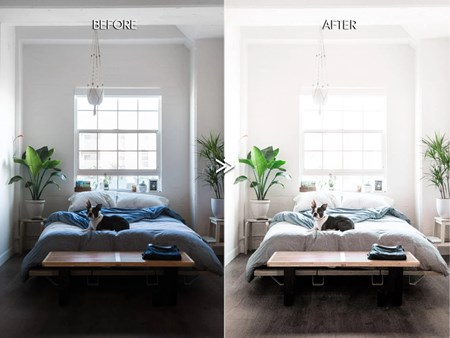
Step 9: Compare Before and After Images
Before publishing staged images, compare them with the original photographs.
Ask yourself:
- Does the room feel more inviting?
- Is the furniture realistic?
- Does the staging highlight the room's potential?
- Would buyers understand the room's function more easily?
If the answer is yes, the staging has likely achieved its purpose. Many real estate professionals also include before-and-after images in marketing materials to demonstrate the transformation.
Common Virtual Staging Mistakes to Avoid
Although virtual staging is highly effective, certain mistakes can reduce its impact. One common issue is over-staging. Too much furniture can make rooms appear smaller and distract from the property's architecture.
Another mistake is choosing furniture styles that don't match the home. Ultra-modern furnishings may look out of place in a traditional property. Unrealistic lighting, poor perspective alignment, and excessive decoration can also reduce credibility. The best virtual staging enhances the space without becoming the focal point.
DIY Virtual Staging vs Professional Services
There are several software tools available for those interested in handling virtual staging themselves. DIY solutions can be useful for small projects or individuals with graphic design experience. However, achieving realistic results often requires significant editing skills and attention to detail.
Professional virtual staging services typically deliver higher-quality images because experienced editors understand lighting, perspective, scaling, and interior design principles. For agents managing multiple listings, outsourcing often saves time while ensuring consistent quality.
How CosyFoto Can Help
CosyFoto provides professional virtual staging services designed to help real estate professionals showcase properties more effectively. From empty living rooms and bedrooms to home offices and luxury interiors, CosyFoto creates realistic staged images that help buyers visualize a property's full potential. Their experienced editing team focuses on natural lighting, accurate scaling, and modern design styles that enhance listing appeal while maintaining authenticity.
Final Thoughts
Learning virtual staging how to techniques can significantly improve real estate marketing results. By transforming empty rooms into inviting, functional spaces, virtual staging helps buyers connect emotionally with a property and better understand its possibilities.
The process begins with high-quality photography, thoughtful room planning, and realistic furniture placement. When combined with proper lighting, scale, and design consistency, virtual staging can dramatically enhance a listing's visual appeal.
As more buyers begin their home search online, creating compelling listing photos has never been more important. Whether you choose a DIY approach or work with professional editors, virtual staging remains one of the most effective tools available for presenting properties in their best possible light.
 alt="">
 alt="">
 alt="">
 alt="">
 alt="">
 alt="">
 alt="">
 alt="">