
What Is Virtual Staging? Complete FAQ for Real Estate Professionals
Photo Editing
2026/07/12
If you've been searching for what is virtual staging, you're not alone. As more buyers begin their home search online, virtual staging has become one of the most effective ways to showcase vacant properties and create memorable first impressions. In today's competitive real estate market, listing photos often determine whether a buyer clicks on a property or scrolls past it. Because of this, presenting a home in its best possible light has never been more important.
Empty rooms can make even the most beautiful homes feel cold, unfinished, and difficult to visualize. Buyers may struggle to understand how a space can be used or imagine where their own furniture would fit. Virtual staging solves this challenge by digitally furnishing vacant rooms, allowing buyers to picture themselves living in the home without the expense of traditional home staging.
But what is virtual staging, exactly? How does it work, how much does it cost, and is it worth using? This guide answers the most common questions and explains why virtual staging has become an essential marketing tool for real estate agents, photographers, and homeowners.
What Is Virtual Staging?
Virtual staging is the process of digitally adding furniture, décor, artwork, rugs, lighting, and accessories to photographs of empty or sparsely furnished properties. Rather than physically moving furniture into a home, professional editors use advanced photo editing software to create realistic interior designs that exist only in the listing photos.
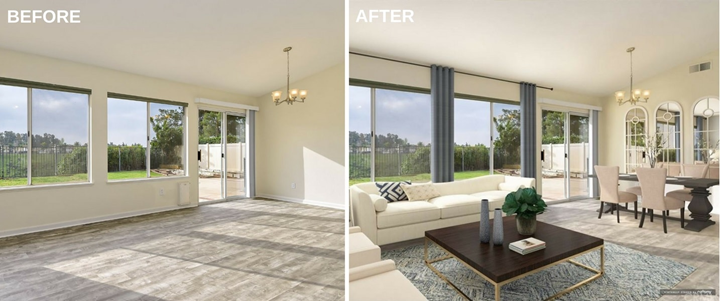
The objective isn't to misrepresent the property but to help buyers understand its potential. A vacant living room can become a warm entertaining space, an empty bedroom can be transformed into a cozy retreat, and an unused corner can be presented as a productive home office. These visual cues make it easier for buyers to imagine how they could live in the space.
Understanding what is virtual staging helps explain why it has become one of the fastest-growing trends in real estate marketing. It combines professional photography with digital design to produce attractive, realistic images that capture buyers' attention while keeping marketing costs manageable.
Why Is Virtual Staging Important?
The vast majority of homebuyers begin their search online, often browsing dozens of listings before deciding which properties deserve a closer look. In many cases, photographs determine whether buyers continue exploring a listing or move on to the next one.
Vacant homes present a unique challenge because empty rooms rarely inspire emotion. Without furniture, buyers often struggle to judge room size, understand layout, or imagine how the space could function. Large living rooms may appear smaller than they actually are, while bonus rooms may seem awkward or confusing.
Virtual staging bridges that gap by providing context. Instead of asking buyers to imagine possibilities on their own, staged images show them exactly how a room can be used. This emotional connection often encourages buyers to spend more time viewing the listing and increases the likelihood of scheduling a showing.
How Does Virtual Staging Work?
The process begins with high-quality real estate photography. Professional images provide the foundation for realistic virtual staging because proper lighting, perspective, and composition make digital furniture blend naturally into the room.
Once the images are received, editors evaluate each space, considering factors such as architectural style, room dimensions, natural lighting, and the property's target audience. Furniture is then selected to complement the home's design while maintaining realistic proportions.
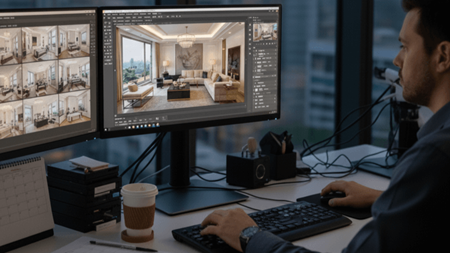
Every item is carefully positioned and adjusted to match the room's perspective. Shadows, reflections, and lighting are refined so the finished image looks authentic rather than digitally altered. Decorative elements such as artwork, plants, rugs, and pillows are added to create warmth without overwhelming the space.
Most professional virtual staging projects can be completed within one or two business days, making it a fast and efficient solution for real estate marketing.
Which Properties Benefit Most From Virtual Staging?
Virtual staging works especially well for vacant homes because it transforms empty spaces into welcoming environments. Newly constructed homes, investment properties, apartments, condominiums, luxury listings, and rental properties all benefit from professionally staged images.

The rooms that typically have the greatest impact include living rooms, primary bedrooms, dining rooms, family rooms, home offices, finished basements, and outdoor entertaining spaces. These areas often require buyers to imagine how they might use the space, making virtual staging particularly valuable.
While kitchens and bathrooms usually don't require extensive staging because their purpose is already obvious, small decorative touches may still be added to create a more polished appearance.
What Are the Benefits of Virtual Staging?
One of the biggest advantages of virtual staging is affordability. Traditional home staging often involves renting furniture, hiring movers, coordinating installation, and maintaining staged rooms throughout the selling process. Virtual staging eliminates these expenses while producing visually appealing listing photos at a fraction of the cost.
Speed is another major benefit. Instead of waiting days or weeks to furnish a property, digital staging can usually be completed within 24 to 48 hours. This allows agents to market listings more quickly and respond to changing market conditions.
Virtual staging also offers incredible flexibility. Because everything is digital, rooms can easily be designed in different styles depending on the target buyer. A downtown condo may feature sleek contemporary furniture, while a suburban family home can showcase a warm transitional design. Multiple versions of the same room can even be created without moving a single piece of furniture.
Most importantly, virtual staging helps buyers connect emotionally with the property. Furnished rooms feel more inviting, more functional, and easier to imagine living in, leading to stronger engagement with online listings.
Virtual Staging vs. Traditional Staging
Many people who ask what is virtual staging also want to understand how it compares to traditional staging. Traditional staging involves physically furnishing a property with rented furniture and décor before photography and showings. While this approach can be highly effective, it often comes with significant costs and logistical challenges.
Virtual staging achieves many of the same marketing benefits through digital editing. The property remains vacant, but the listing photos present fully furnished interiors that help buyers visualize the space.
Traditional staging may still be beneficial for luxury homes or properties hosting in-person open houses, but for many residential listings, virtual staging provides an excellent balance between cost, speed, and marketing effectiveness.
Is Virtual Staging Ethical?
Yes, when used responsibly. The purpose of virtual staging is to showcase possibilities rather than alter reality. Furniture and décor may be added digitally, but the home's structure, layout, room dimensions, and architectural features should never be changed.
Many Multiple Listing Services (MLS) recommend or require that virtually staged images be labeled appropriately so buyers understand that the furniture has been digitally added. This transparency helps maintain trust while still allowing buyers to appreciate the home's potential.
Can Buyers Tell If a Home Has Been Virtually Staged?
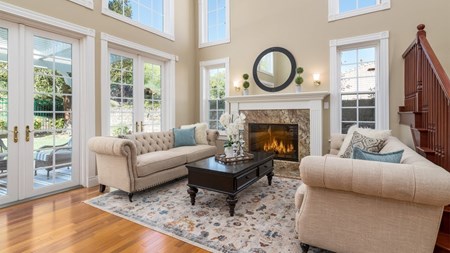
Today's virtual staging technology is remarkably advanced. Professional editors carefully match furniture scale, lighting direction, shadows, reflections, and perspective, creating images that closely resemble physically staged homes.
However, poor-quality virtual staging is still easy to recognize. Furniture that appears to float, incorrect proportions, unrealistic lighting, or mismatched design styles can quickly reduce buyer confidence.
Working with an experienced virtual staging provider ensures that every element blends naturally into the photograph, creating believable images that enhance rather than distract from the property.
Can Virtual Staging Be Combined With Other Editing Services?
Absolutely. In fact, many of the best real estate listing photos combine multiple editing techniques to maximize visual appeal.
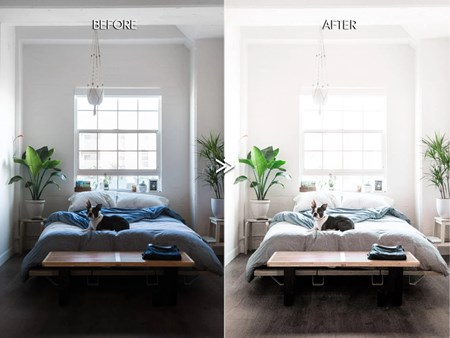
Virtual staging is frequently paired with HDR enhancement, window pulls, day-to-dusk transformations, sky replacement, object removal, lawn enhancement, perspective correction, and color balancing. Together, these services produce polished, listing-ready images that showcase the property at its absolute best while maintaining a realistic appearance.
Should You Use DIY Software or Hire Professionals?
DIY virtual staging software has become increasingly popular, offering quick solutions for basic projects. However, achieving realistic results requires much more than simply placing digital furniture into a room.
Professional editors understand interior design, architectural photography, furniture scaling, lighting, and perspective correction. These details determine whether a staged image appears convincing or obviously artificial.
For agents and photographers who rely on professional marketing materials, outsourcing virtual staging often delivers higher-quality results while saving valuable time.
How CosyFoto Can Help
CosyFoto specializes in professional virtual staging and real estate photo editing designed to help listings stand out in competitive markets. Whether you need realistic virtual staging, HDR enhancement, day-to-dusk transformations, object removal, or virtual renovations, CosyFoto delivers high-quality, natural-looking images with fast turnaround times. Every edit is carefully crafted to help buyers visualize a property's potential while maintaining authenticity and professionalism.
Final Thoughts
Understanding what is virtual staging is essential for anyone involved in modern real estate marketing. As buyers continue to rely on online listings to narrow their search, compelling photography has become one of the most important tools for attracting attention and generating interest.
Virtual staging allows vacant properties to tell a story. Instead of asking buyers to imagine how a room could look, it presents a realistic vision that helps them connect emotionally with the home. Combined with professional photography and thoughtful editing, virtual staging creates stronger first impressions, increases buyer engagement, and helps listings stand out in a crowded market.
For agents, photographers, and homeowners looking to maximize the impact of their property listings, virtual staging is no longer just an optional enhancement—it's one of the smartest investments in today's digital-first real estate industry.
 alt="">
 alt="">
 alt="">
 alt="">
 alt="">
 alt="">
 alt="">
 alt="">