
Window Pull Editing Explained: How to Show the View Without Making It Look Fake
Photo Editing
2026/08/10
When photographing a beautiful interior, one of the most frustrating challenges is often sitting right in front of you: the windows. A room may look perfectly exposed, yet everything outside the windows appears completely white. Expose for the exterior instead, and suddenly the room becomes dark and uninviting.
This is where window pull real estate photography comes in.
Window pulls are one of the most recognizable editing techniques in professional real estate photography. They allow photographers and editors to maintain a bright, inviting interior while recovering the exterior view through windows. When done correctly, the result feels balanced and natural. When overdone, however, the windows can look like screens pasted onto the walls. The difference comes down to technique, restraint, and understanding how people naturally perceive light.
In this guide, we'll explain what window pull editing is, how it works, when to use it, the most common mistakes, and how professional editing can preserve an exterior view without making the final image look unrealistic.
What Is a Window Pull in Real Estate Photography?
A window pull is a photography and editing technique used to preserve the exterior view visible through a window while maintaining a properly exposed interior. The challenge exists because cameras have a limited dynamic range compared with the human eye. When standing inside a room during the day, our eyes can usually see both the interior and the scenery outside reasonably well. A camera may struggle to capture that same range of brightness in a single exposure.
If a photographer exposes the image for the room, bright daylight outside can cause the windows to become completely white. If the exposure is adjusted for the view outside, the interior may become significantly underexposed.
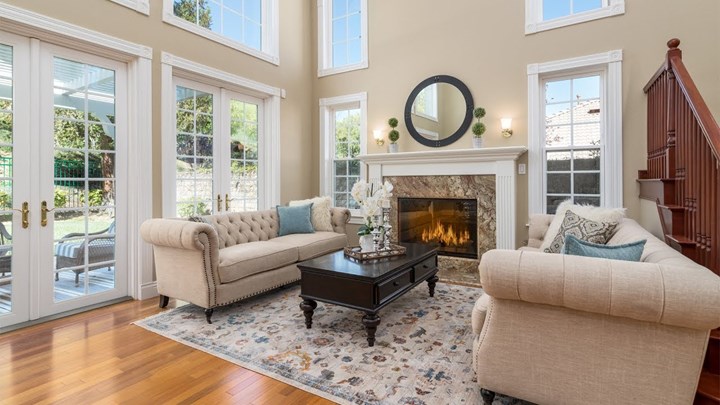
Window pull real estate photography solves this problem by combining information from different exposures, often with additional lighting techniques, and refining the result during post-production.
The objective isn't to make every detail outside the window perfectly visible. It's to create a balanced image that resembles what someone might naturally experience while standing inside the room.
How Does Window Pull Real Estate Photography Work?
There are several ways to capture the images required for a window pull, but one common method involves taking multiple exposures of the same composition. The photographer may capture a brighter exposure optimized for the interior and another darker exposure that preserves details outside the windows. These exposures can later be blended during editing.
Some photographers also use flash to create a dedicated window exposure. By lighting the interior appropriately while exposing for the exterior, they can create a clean base for the editor to isolate and blend the window view.
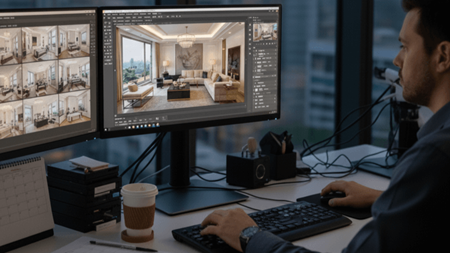
Once the files reach post-production, the editor carefully masks the window area and combines it with the properly exposed interior. Color, brightness, reflections, edges, and contrast are then adjusted so the window integrates naturally with the rest of the photograph.
This final stage is critical. Simply replacing a white window with a darker exposure doesn't automatically create a convincing result. A skilled editor considers how much exterior detail should remain visible and how bright the window should appear relative to the room.
Why Do Windows Become Overexposed?
The main problem is the difference between indoor and outdoor brightness. Imagine photographing a living room at noon. The interior may be illuminated by relatively soft ambient light while intense sunlight is hitting the landscape outside. The camera has to record both areas simultaneously, even though their brightness levels may be dramatically different.
Depending on the camera, exposure settings, and lighting conditions, preserving both areas in a single image may not be possible. As a result, photographers often prioritize the interior exposure. This keeps the room bright and attractive but can leave windows appearing as featureless white rectangles.
In some rooms, that may not matter much. In others, the view is one of the property's biggest selling points. That's why window pulls have become an important part of professional real estate photo editing.
Why Window Views Matter in Real Estate Photography
A window isn't always just another architectural feature. Sometimes, what's outside it is a major reason someone would want to buy the property. Consider a waterfront home overlooking the ocean, a downtown apartment with a skyline view, or a mountain property surrounded by dramatic scenery. If those windows appear completely white in the listing photos, an important part of the property's appeal disappears.
Even less dramatic views can provide useful context. Buyers may want to see the backyard from the kitchen, landscaping outside the living room, or natural surroundings visible from the bedroom. Good window pull real estate photography preserves these connections between indoor and outdoor spaces. The key word, however, is preserves. The goal should be to show the real view - not transform it into something more dramatic than it actually is.
What Makes a Window Pull Look Natural?
The best window pulls are often the ones buyers don't immediately notice. A professionally edited image should feel balanced enough that the viewer focuses on the room rather than the editing technique. One of the most important factors is brightness. Windows are natural light sources, so they generally shouldn't be as dark as the interior walls around them. When an exterior view is dramatically darkened while the room remains bright, the result can feel unnatural.
Color temperature also matters. Outdoor light may be cooler than warm interior lighting, and completely removing that difference can make the image feel artificial. Reflections and subtle glare can also contribute to realism. Real glass isn't perfectly transparent, so eliminating every reflection may cause the window to resemble an open hole rather than a pane of glass. Professional editors balance all of these elements rather than simply maximizing exterior detail.
The Most Common Window Pull Editing Mistakes
Over-editing is probably the biggest reason window pulls look fake. One common mistake is making the exterior far too dark. This can create a strange contrast where a bright room appears to have been photographed against an unusually dark outdoor scene.
Another issue occurs when the exterior becomes excessively saturated. Bright blue skies and intensely green lawns may look attractive on their own, but if they don't match the lighting inside the room, the entire photograph can lose credibility.
Hard masking around windows is another giveaway. Poorly created selections can leave visible halos around window frames, curtains, plants, or furniture. These small imperfections immediately reveal that two exposures have been combined. Editors also need to be careful with complex objects in front of windows. Chairs, lamps, plants, blinds, and curtains may require precise masking to preserve natural edges. Good editing takes longer because these details matter.
Should Every Window Have a Perfect View?
No—and this is where restraint becomes important. Not every window needs a crystal-clear exterior view. If a small bathroom window faces a neighboring wall, recovering every detail outside may add little value. Similarly, a distant exterior visible through several interior spaces doesn't necessarily need to be perfectly sharp and highly contrasted.
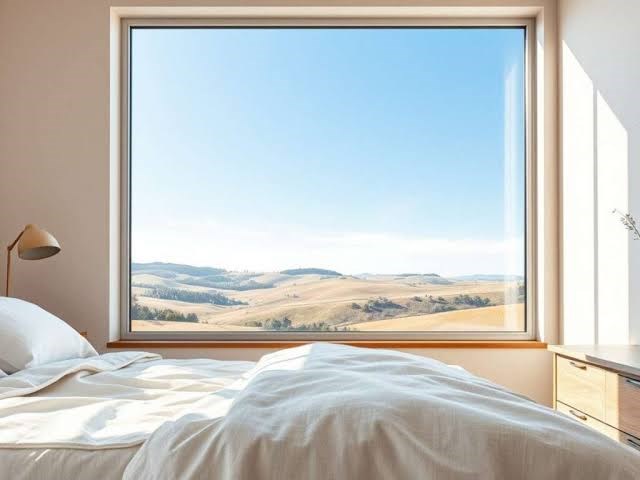
The importance of the window pull should depend on the composition and the property's selling features. For a luxury living room overlooking the ocean, the exterior view deserves significant attention. For a hallway with a small window in the background, maintaining some highlight detail may be enough. Professional editing is about visual priorities rather than applying exactly the same treatment to every window.
Window Pulls vs. HDR Editing
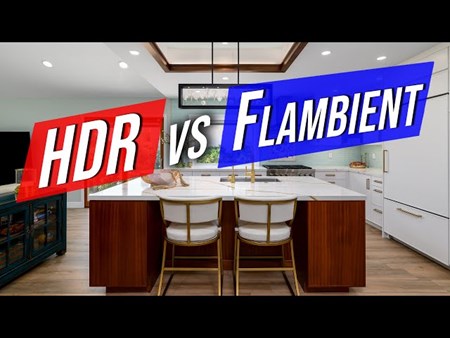
Window pulls and HDR editing are closely related, but they aren't exactly the same. HDR real estate photography typically combines multiple exposures to capture a wider range of highlights and shadows throughout an entire scene. This can help produce a balanced image with detail in both bright and dark areas.
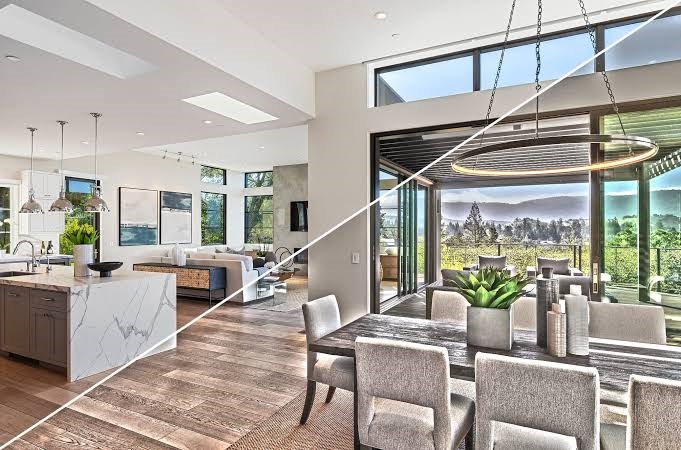
A window pull focuses specifically on recovering and controlling the view through windows. HDR processing may already recover some window information, particularly when the difference between indoor and outdoor exposure isn't extreme. However, properties with very bright exterior conditions may still require dedicated window masking and blending.
For this reason, professional real estate editing workflows often use HDR blending and window pulls together rather than treating them as competing techniques.
When Are Window Pulls Most Valuable?
Window pulls are particularly effective when the view contributes directly to the property's appeal. Waterfront homes are an obvious example. If buyers are paying a premium for an ocean, lake, or river view, the listing photography should communicate that benefit clearly.
High-rise apartments and condos also benefit from careful window editing because skyline views can be a major selling point. The same applies to mountain homes, golf course properties, houses with attractive gardens, and rooms overlooking pools or landscaped outdoor areas. Window pulls can also improve ordinary residential listings by helping interiors feel more connected to outdoor spaces. The technique doesn't need to be dramatic to be useful. Sometimes, simply retaining a little natural exterior detail makes the entire photograph feel more complete.
Can Window Pull Editing Go Too Far?
Absolutely. Real estate editing should enhance presentation without creating misleading expectations.
If the actual view is hazy, an editor shouldn't turn it into an impossibly clear landscape. If neighboring buildings are visible, removing them simply to create a cleaner view could misrepresent what buyers will experience at the property. The same principle applies to skies, landscaping, and other exterior elements visible through windows.
Effective window pull real estate photography isn't about creating the most impressive possible view. It's about presenting the existing view clearly while balancing it with the interior. This approach creates beautiful images while maintaining buyer trust.
Why Professional Window Pull Editing Makes a Difference
Window pulls can appear simple at first glance, but professional results require considerable attention to detail. An editor needs to understand exposure blending, masking, perspective, color balance, reflections, and natural lighting. Every window is different, and complicated frames, blinds, curtains, plants, or reflective glass can make the process significantly more challenging.
Professional editors also understand that consistency matters. A property gallery containing 30 images should feel like one cohesive set rather than a collection of differently processed photographs. Outsourcing this work allows photographers to maintain that consistency without spending additional hours manually masking windows after every shoot.
How CosyFoto Approaches Window Pull Editing
At CosyFoto, the goal of real estate photo editing is to enhance the image while keeping the property believable. Window pulls are handled with the same philosophy. Rather than creating overly dark or unnaturally sharp exterior views, professional editing can balance the window exposure with the surrounding interior, preserve natural lighting, and carefully refine edges around frames, furniture, curtains, and other details.
Window pull editing can also be combined with HDR blending, color correction, perspective correction, sky enhancement, object removal, and other real estate editing services to create a consistent finished gallery. For photographers handling multiple shoots each week, outsourcing detailed work like window pulls can also reduce post-production time while maintaining a reliable editing style across projects.
Before and After: What Should You Look For?
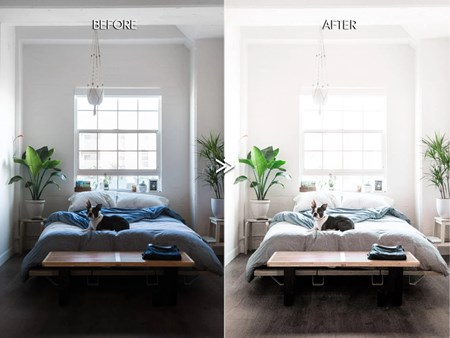
Window pull editing is particularly well suited to before-and-after comparisons because the improvement is easy to recognize. In the original image, you may see a beautifully photographed room with windows that are mostly or completely white. In the finished version, exterior details become visible while the interior maintains its original brightness and atmosphere.
But when evaluating a before-and-after example, don't focus only on how much detail has been recovered. Look at whether the finished image still feels natural. Does the exterior brightness make sense? Do the colors match the overall scene? Are the window edges clean? Does the glass still feel like glass? Most importantly, does your attention remain on the property rather than the editing? If the answer is yes, the window pull is doing its job.
Final Thoughts
So, what makes great window pull real estate photography? It isn't simply about making everything outside a window visible. The real objective is balance.
Professional window pull editing allows photographers to maintain bright, welcoming interiors while preserving exterior views that would otherwise disappear because of exposure differences. When performed carefully, it helps buyers better understand the relationship between a home's interior and its surroundings.
The best results don't look dramatic or obviously edited. They simply look right. For real estate photographers, agents, and media companies, that natural appearance matters. Buyers should notice the view, the light, and the property—not the Photoshop work behind the image.
Whether you're photographing an oceanfront property with panoramic windows or a family home overlooking a backyard, thoughtful window pull editing can turn challenging exposures into polished, listing-ready photographs. And with a professional editing partner like CosyFoto handling the details, photographers can spend less time masking windows and more time behind the camera.
 alt="">
 alt="">
 alt="">
 alt="">
 alt="">
 alt="">
 alt="">